
Two lens boxes sit open on my desk right now, side by side, and I'm peeling the foil back on a daily contact lens from each — cool under my thumb, no jagged tear, the batch number printed right where I can log it. One box is from ContactsDirect. The other is from PerfectLens. Same -5.00 prescription, same touch of astigmatism, same high-myopia math if either shop gets the axis wrong, and after years of ordering contact lenses and prescription frames online, I still run this exact side-by-side before trusting a new shipment enough to put it in a buying guide.
A quick note before the comparison starts: some of the shops below pay me a small commission when you order through my link, at no extra cost to you. That commission has never kept a bad experience out of the write-up — if an auto-charge fires after a cancellation, or a box shows up damaged, it goes in the record regardless of payout. Everything below comes from what actually showed up in my mailbox, not a press kit.
The Record: Seven Years of High-Myopia Data
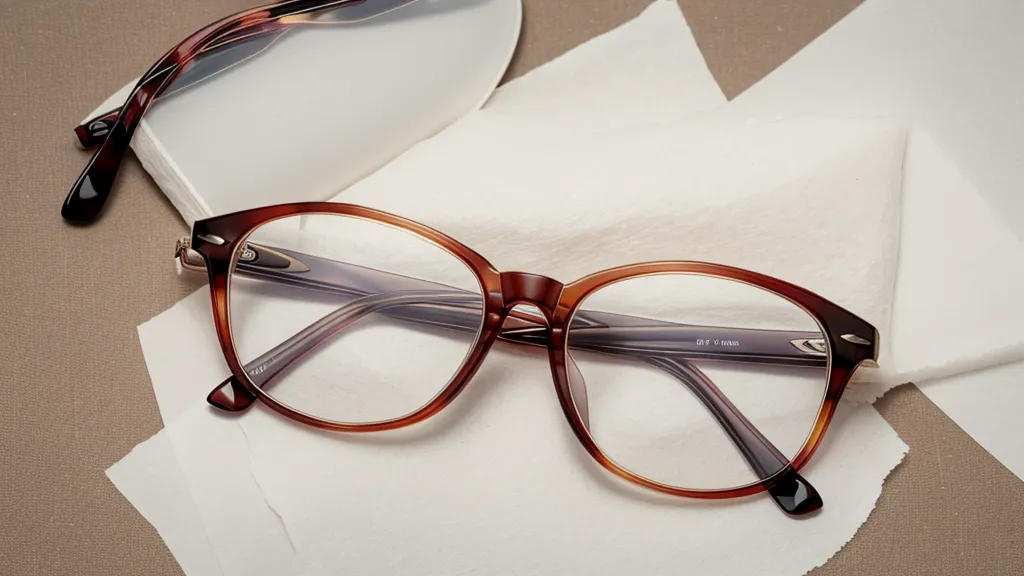
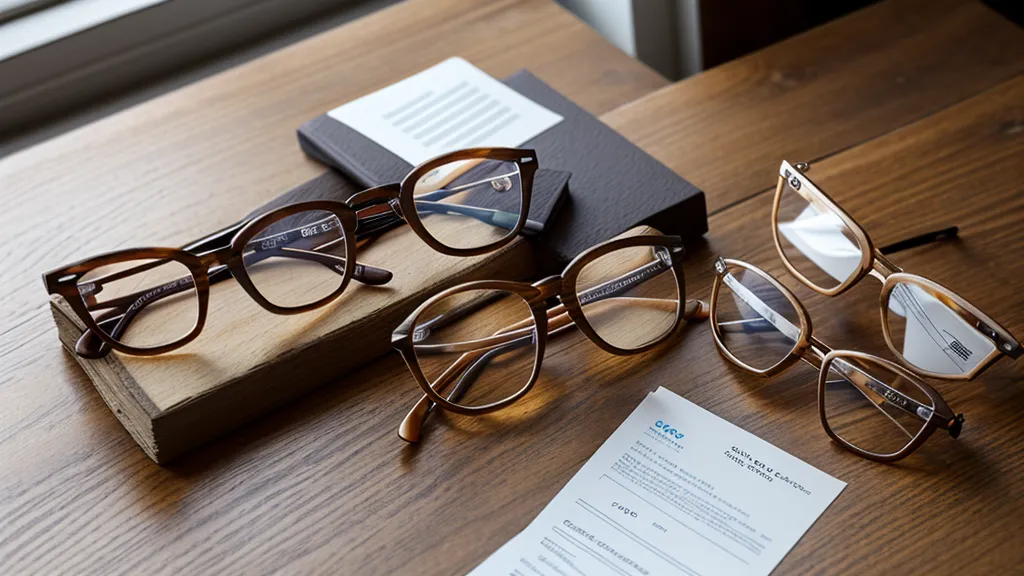
The Record exists because of a LensCrafters quote for basic 1.67 single-vision lenses with a standard anti-reflective coating that came in at nearly five hundred dollars — the same pair turned up direct not long after for around one-thirty. That gap is why I started writing down every shop, every price, every batch number instead of trusting memory. What began as a spiral notebook by the keyboard, one volume per year, filled in by hand at the desk in the back alcove, eventually became a spreadsheet, because seven years of ordering eyewear online is too much data for paper alone. That corner of the house gets shadow more than direct sun most afternoons, so it's one lamp aimed at the paperwork and nothing overhead switched on, plus a couple of frames waiting on a lens cloth at the desk's edge for their next cleaning. I read a prescription card the way I read a manuscript now: sphere, cylinder, axis, PD are proofmarks, and if one is off, the whole thing reads wrong even when you can't say exactly why.
A reader named Taryn Oguike checks in every few months with her own detailed order notes, and her cylinder axis sits close to 180 degrees — exactly the fitting territory a lot of shops still mislabel on the box. Her notes are how I first noticed something that never shows up as its own line item: a prescription verification hold doesn't announce itself, it just reads like an unexplained gap of a few days in the shipping timeline until the box finally moves again. That gap is worth watching for; it looks identical to a shop simply being slow.
ContactsDirect Bets on the Insurance Credit
ContactsDirect is the shop built around insurance integration rather than the lowest sticker price. My last bulk order — a six-month supply of dailies — applied an instant credit at checkout, no receipt upload, no forty-five-minute fight with a reimbursement portal weeks later. For someone who spends the workday chasing down missing citations, not having to also chase a reimbursement check afterward is worth a real amount of my own time, which is its own kind of savings even if the sticker price isn't the lowest on the page.
The last box from that order didn't arrive perfect, though. Two of the daily lens sachets in the case had foil seals already lifted at one corner — no visible tear, just enough separation that I didn't trust the sterility and pulled both from rotation rather than risk it. I sent the batch numbers from the shipping confirmation, the same numbers that go in the Record, and ContactsDirect replaced both without asking for the damaged sachets back, no argument, no delay. It's probably a shipping-and-heat issue more than a company one, but it's exactly why I photograph every box now before anything goes in a drawer.
Whether dailies make sense at all for screen-heavy work is its own question. Comparing monthly vs daily contact lenses for computer screen work usually comes down to how much dryness a person can tolerate by the end of a long editing day, and no checkout page answers that for you. A contact lens that feels perfect in the morning can still turn on you by evening, which is what happened on a walk through the McKinley Park rose garden in East Sacramento last spring, with cold wind, no rewetting drops in my bag, and both eyes stinging by the time I got back to the car. That one wasn't ContactsDirect's fault; it was mine, for assuming a good fit means the drops are optional.
What kept me on ContactsDirect afterward was comfort under real load, not the credit. I proofread a forty-page manuscript past midnight a few weeks ago without once needing to rub my eyes raw, which for a -5.00 astigmatic prescription is not nothing. The free trial pair they ship before a bulk order confirmed that before I committed to six months of stock. This lower-risk test works because PerfectLens's trial covers switching brands, not trying the shop itself.
Does PerfectLens's Lower Price Actually Win?
PerfectLens takes the opposite bet: a lower sticker price up front, plus a price-match policy against any major U.S. retailer, provided you can produce a competitor's receipt. The subscription tier layers in an auto-pause option that's worth knowing exists, though the full mechanics of it deserve their own write-up rather than a paragraph here. Account onboarding still asks for some shipping fields that read like they were built for Canadian addresses first, which trips up U.S. buyers more than it should for a site that markets hard to them.
My prescription had lapsed by a few weeks when the auto-ship on PerfectLens fired anyway and charged the card on file for a fresh box. Nothing dramatic caused it, just an expired exam window I hadn't tracked closely enough, and the system charged straight through it with no cross-check against the Rx date. Getting the charge reversed took one email and a screenshot of the exam date, and I got the money back, but it wasn't the shop catching its own mistake. I've since put a calendar reminder a month ahead of every prescription expiration, which has nothing to do with any single shop and everything to do with not trusting auto-ship blindly again.
Subscriptions in general optimize for the lowest per-box price, not for what a person actually uses, and I've found unopened stock sitting in a drawer more than once as a result. For anyone ordering in real volume anyway, buying contact lenses in bulk for better savings online tends to beat the subscription drip on both price and control.
Between the two, the choice comes down to paperwork tolerance more than raw price. Insurance holders come out ahead with ContactsDirect's instant credit and never have to think about a receipt again. Cash buyers willing to hunt down a competitor's price generally do better with PerfectLens, as long as the renewal date gets checked against the prescription date instead of left to run on autopilot.
EyeBuyDirect vs. Yesglasses for High-Index Frames
Frames are a different comparison entirely. Past a certain prescription strength, high-index lenses stop being optional, and the split between EyeBuyDirect and Yesglasses comes down to how upfront each shop is about pricing that upgrade. EyeBuyDirect lists the lens upgrade cost before you've even picked a frame. The short version: a thirty-dollar frame and a hundred-dollar frame can be the exact same frame once the lens material catches up to the prescription. The coating on top of that material wears on its own cycle too, more like how many washes a detergent is rated for before a shirt starts looking dull than like a fixed warranty date; it fades gradually, and nobody mentions that part at checkout.
That upfront pricing doesn't prevent every checkout mistake, though. On an EyeBuyDirect order a while back, I entered my PD from an old lens receipt instead of my current RX card, off by a few millimeters, and nothing in the checkout flow caught it. The frames arrived looking fine and reading wrong, with optical centers noticeably off and text swimming a little at the edges for most of a week before I gave up and had the lenses remade. The PD field gets checked against the card every time now, regardless of which shop is on the other end.
Yesglasses takes a different precaution against exactly that kind of error: a live optician reviews every prescription before production starts, which is a safeguard the automated checkouts don't build in. The production-to-doorstep timeline runs slower, closer to two weeks than two days, and the frame itself felt sturdier than some of the ultra-budget options I've tried. Paying out of pocket for a shop like this without in-network coverage is its own project, and it helps to know how to get out of network vision insurance reimbursement for glasses before the order ships rather than after.
The index mix-up happened on a Yesglasses order, not the PD one. I'd paid for 1.67 high-index lenses to keep the edge thickness down, and what shipped read 1.61 on the packing slip: thinner material than ordered, noticeably heavier and thicker at the temple once the frames were on. Customer service owned it fast once I sent photos of the packing slip next to the invoice, and a corrected pair shipped without a fight, but it meant wearing the heavier pair for the two weeks the redo took. I check the lens material line on every invoice against what I actually paid for now, the same way I'd check a byline against a contract.
My neighbor Fernanda Quiroga, two houses down, is the only person I know who cross-shops harder than I do. She won't buy so much as a spool of thread without comparing three sources first. She'd tell you the same thing I'm telling you here: the right shop isn't the cheapest one, it's the one whose failure mode you can live with.
Where CorneaCare Fits, and Where It Doesn't
None of this addresses the actual dryness, which is where CorneaCare comes in. They don't sell contacts or frames at all, just lid wipes and warm compress bundles that make the end of a long editing day more bearable. It's a narrow catalog, worth knowing about specifically because it doesn't try to be anything else.
Pick the Failure Mode You Can Live With
Stop chasing the smallest number on the page; chase the failure mode you can tolerate instead. Vision insurance holders come out ahead with ContactsDirect's instant credit, which removes an entire category of paperwork you'll never miss. Paying cash and willing to hunt down a competitor's receipt tips the math toward PerfectLens, as long as the auto-renewal date gets checked against the prescription date and not left to run on its own. For frames past a moderate prescription, pay the lens-material cost upfront and skip the surprise later. Keep the PD number matched to the current card, check the material line on every invoice, and let the record, paper or spreadsheet, do the arguing instead of a coupon code.