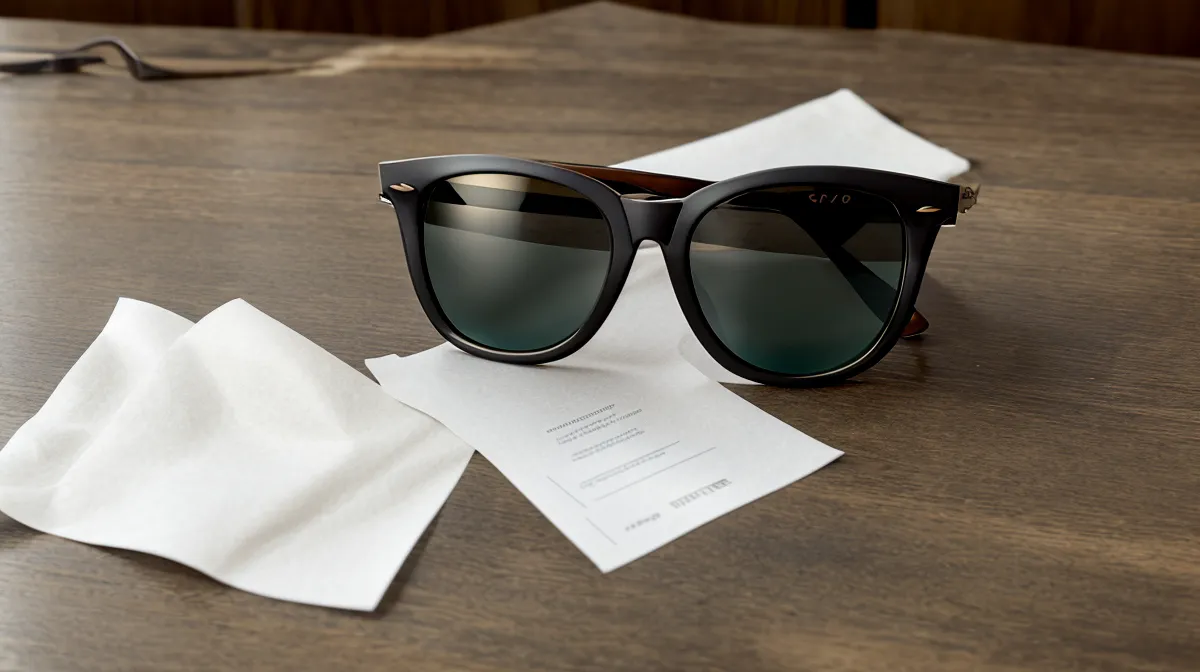
ContactsDirect's checkout page shows two buttons for the same pair of frames: apply vision insurance, or apply a promo code. Only one of them produced the lower total on my last order — 1.67 high-index lenses, polarized, ground to a prescription that sits around -5.00 sphere, with a cylinder and axis riding along for the astigmatism. Not every frame handles a toric lens edge cleanly, which narrows the field before tint or coating even enters the conversation. The gap between those two buttons is the whole subject here. It isn't small.
Vision plans reset the frame allowance every twelve months, and mine was due to close out soon, which is the only reason insurance entered the math on this particular order at all. Contact lenses run on the same account — I rotate dailies for screen work with monthlies for travel, and the cold, slightly stubborn peel of foil off a blister pack is a different morning ritual than a hard-shell sunglasses case snapping open. The insurance-versus-promo comparison plays out almost identically on a replacement-schedule box of lenses as it does on a frame.
ContactsDirect Pulls Your Vision Insurance Benefits Automatically
ContactsDirect is a subsidiary of EssilorLuxottica, which gives it a direct line into major vision plans like EyeMed instead of routing every claim through the out-of-network reimbursement chase most standalone optical sites still require. Logging in pulled my benefit data automatically — no scanning a member ID card, no typing a group number by hand. It read like a properly formatted style sheet: the numbers dropped into the right column without me hunting for them.
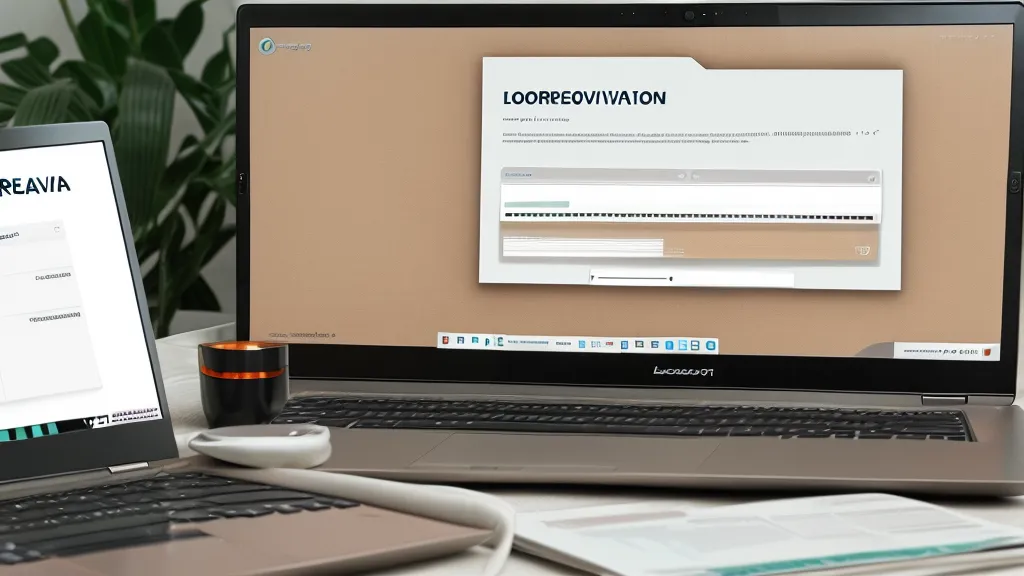
The interface displays the remaining allowance in real time, which matters more on a high-myopia order than on a basic single-vision pair — frame allowance is only half the number, and I still needed the itemized cost of the 1.67 upgrade and the polarized tint before committing a card. Seeing that itemization ahead of checkout beat the brick-and-mortar routine of waiting while an optician disappears with a pricing binder. Prescription verification runs quietly in the background too: the system flags an expired script before letting an order proceed, rather than shipping first and asking questions later.
Does a -5.00 Prescription Still Fit the Frame?
Acetate frames carry enough girth to mask the edge thickness that comes with a 1.67 lens; wire frames don't, and at this prescription the difference shows. That's the short version of a longer piece on choosing eyeglass frames for high myopia to hide thick lens edges, and the same rule applies doubly to sunglasses, where a dark tint has a way of drawing the eye straight to any internal reflection off a thick edge.
ContactsDirect's filter panel resets the polarized preference sometimes if you flip between frame colors, so double-check it before submitting — the kind of small, easy-to-miss detail a copyeditor notices out of habit. I confirmed 100% UV protection was listed on the specific lens package, then checked the PD number against my RX card once the confirmation email landed, the way I check it on every order regardless of the shop. The order form wants sphere, cylinder, axis, and PD entered the same way a contact lens box lists them; drop a decimal in the wrong field and neither the frame filter nor the lens grinder catches it for you.
The Promo Code Beats the Insurance Price
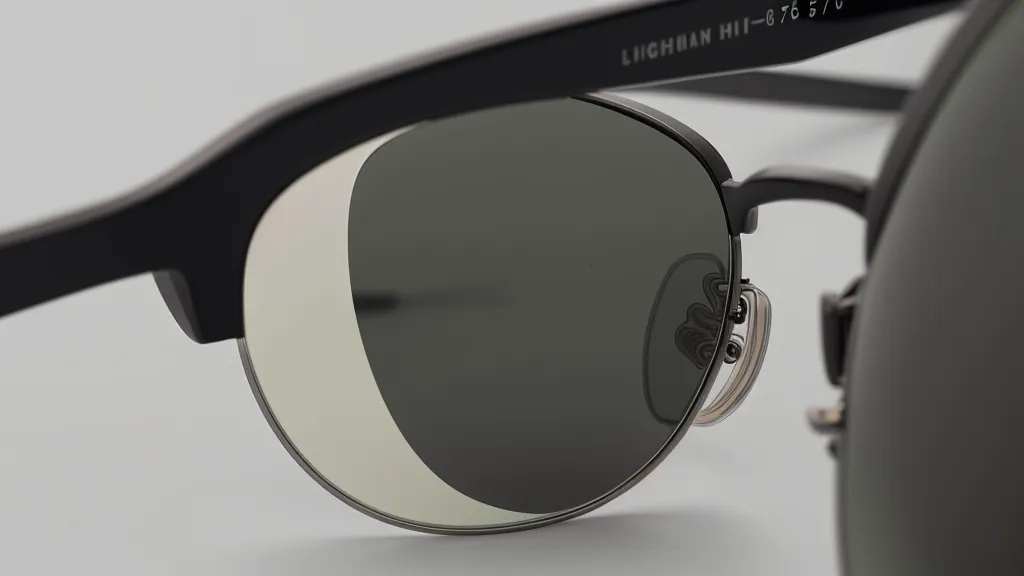
Here's the part most buying guides skip: running vision insurance at ContactsDirect landed at a higher total than ignoring the benefit and applying a seasonal promo code instead. Insurance plans set a fixed member price for lens upgrades, and that price doesn't move when the site runs its usual 30 or 40 percent sales.
I used the insurance benefit anyway, mostly to spend the frame allowance before it reset. The frame allowance only covers the base frame; the 1.67 material and the polarization get billed at the plan's contracted upgrade rate, and on this order that rate landed about forty dollars above what the promo code would have charged for the identical build. The invoice didn't care about my reasoning.
A reader named Fletcher Nwankwo once emailed me a full account of trying to pause a contact lens subscription before an auto-charge hit — timestamped, numbered steps, formatted like a bug report. It's a good reminder that not every optical company itemizes a bill this clearly before it runs the card; ContactsDirect showing the insurance-versus-promo gap up front is the exception, not the norm.
An Overseas Order That Didn't Hold Up
Not every order in the archive went this smoothly. A no-brand overseas optical site once quoted a tempting price on a similar high-index pair, and the PD came back off on arrival — enough that the optical center sat noticeably away from where my eyes actually rest, the kind of misalignment where the page just feels wrong before you can name why. The frames themselves also showed up roughly two weeks past the delivery window the site had promised at checkout.
That order is the reason a slightly higher insurance total doesn't bother me the way it might on paper. ContactsDirect's PD landed dead-on when this sunglasses order arrived, and the case itself has a weight to it that the free bundled pairs some sites throw in never quite match — a hard-shell snap instead of a soft pouch, polarized lenses instead of a flat tint marketed as polarized.
Testing the Polarized Tint Outside a Screen
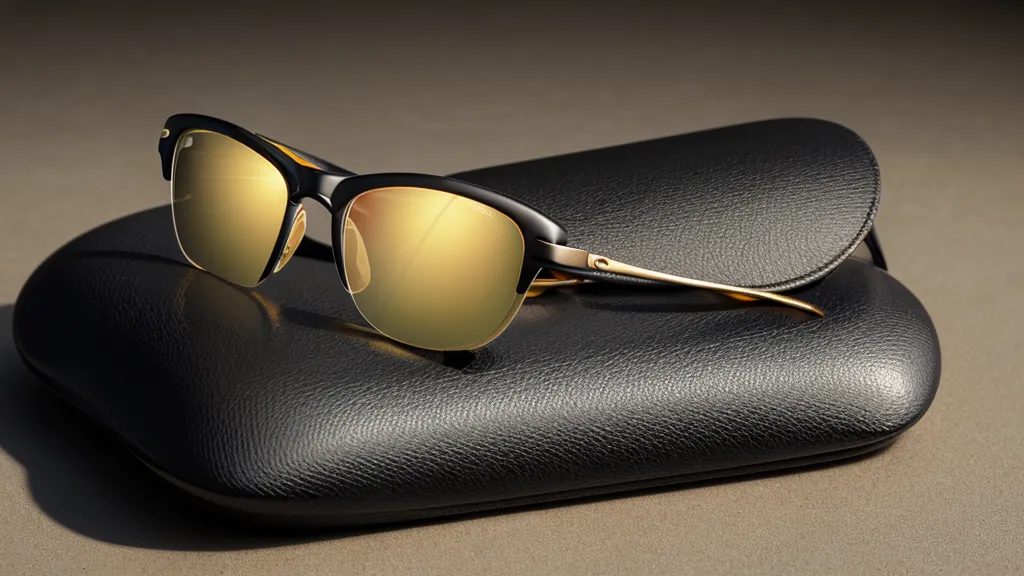
Polarization is the part that actually earns its keep outdoors; it cuts glare that a flat tint just dims. A friend of mine paddles the Sacramento-San Joaquin River Delta most weekends and burned through two pairs of polarized clip-ons before switching to a real prescription pair for the same reason — a flat tint over a high prescription still leaves water glare readable as a headache by mid-afternoon.
A walk through the McKinley Park rose garden tested this pair away from a screen, sun bouncing hard off the metal plant markers between the beds. No squint, no brow tension by the time I looped back to the entrance. The coating held up the way a stain-guard treatment holds through repeat washes rather than a cheap detergent that fades by the third cycle; some polarized coatings scratch or haze within a season, and this one hasn't yet.
The same login's regular glasses get judged by a tougher standard than any sunglasses order — a forty-page manuscript that ran past midnight without a single break to rub my eyes is the actual bar, tint and frame aside. Sunglasses just have to survive a bright parking lot; reading glasses have to survive a deadline.
Choosing Between the Two at Checkout
Neither approach is wrong; they just answer different questions. Insurance makes sense when the frame allowance is about to expire and the administrative ease is worth paying slightly more for. A promo code makes sense when the total dollar figure matters more than convenience, and you don't mind ignoring a benefit you're still paying premiums for either way.
For driving specifically — where a scratched or slightly-off polarized pair turns into a real hazard on a bright commute — lean toward whichever path gets the better lens quality fastest, even if that means paying the insurance premium; the piece on best prescription sunglasses for driving with a high prescription goes deeper on that specific case. For everything else — a backup pair, a beach trip, a second pair to leave in the car — the promo code path is the one the archive keeps favoring.