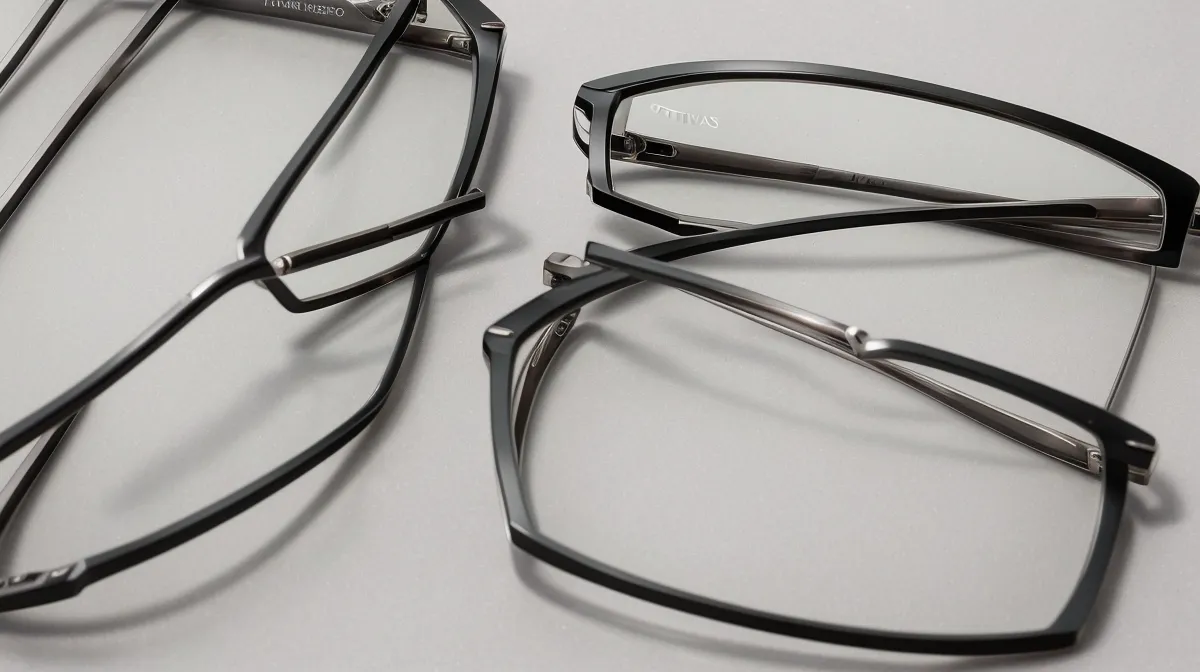
One sweltering Sacramento afternoon in mid-June, I found myself constantly pushing my sliding frames up while editing a technical manual, realizing my 'reliable' pair was finally failing my -5.00 prescription. It is one thing to have a slight slip when you are grabbing coffee; it is another when you are trying to catch a missing semicolon in a 400-page document and the world starts to swim because your optical center has drifted three millimeters south. My old frames had simply lost their tension, and at my power level, gravity is a relentless enemy.
Quick note before you read further: a few of the optical shops and contact lens platforms linked on this site send me a commission when you order through one of my links. I earn a commission, though the price you pay stays the same as ordering direct. Everything here has been run through my personal spreadsheet first—if a frame arrived crooked or a contact lens auto-charge fired after I canceled, that goes in the record whether the link sends a payout or not.
The High-Myope Dilemma: Weight vs. Aesthetics
When your sphere is hovering around -5.00, you are well past the point of 'standard' lenses. I have been buying online since 2019, specifically since a chain store quoted me nearly five hundred dollars for basic 1.67 index lenses I later found direct for about one-thirty. At this power, you are essentially paying a tax on the thickness of your own eyes. If you choose the wrong frame, you end up with the 'coke bottle' effect—that unsightly ring of white light reflecting off the thick edge of the lens that screams 'I cannot see the first letter on the chart.'
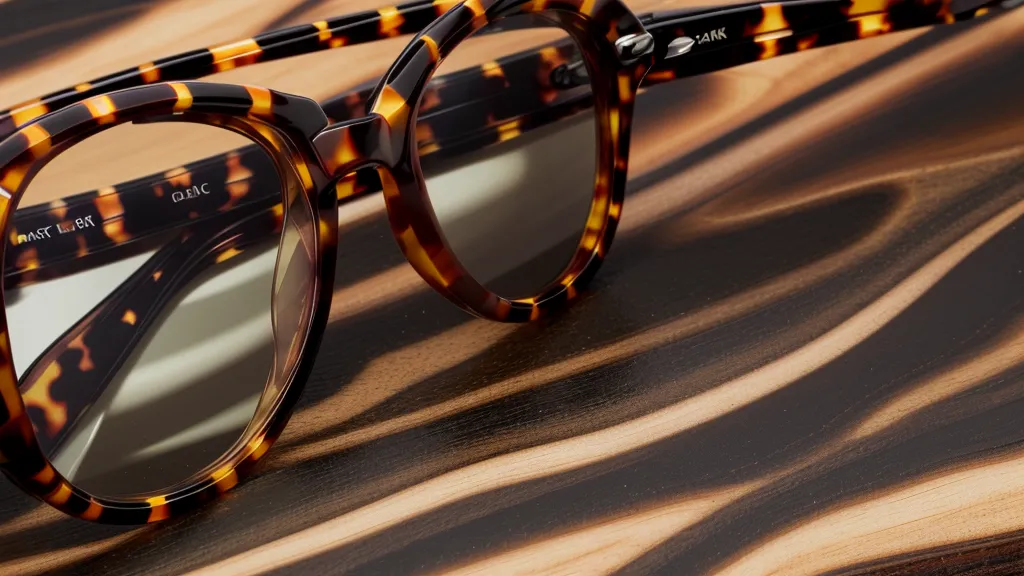
The common wisdom says to go for thick plastic to hide the lens edge. But as a freelancer who spends ten hours a day staring at a screen, heavy acetate can feel like a lead weight on the bridge of your nose by 4 PM. I decided to use the Yesglasses home try-on program to settle the debate for my own face. They allow a home try-on frame limit of 4, so I picked two chunky acetate frames and two sleek titanium ones to see which could actually handle a 1.67 high-index lens without making me look like a deep-sea diver.
The Experiment: Acetate vs. Titanium at 1.67 Index
The process started in late November when I first began cataloging frame weights, but the real testing happened around February when the prescriptions arrived. I ordered everything with 1.67 high-index material. While ultra high-index 1.74 is the 'gold standard' for thinness, I find that 1.67 offers a better balance of price and clarity for a -5.00 sphere. At EyeBuyDirect, the high-index threshold usually kicks in at -4.00, but I wanted to see how Yesglasses handled the actual mounting and edge polishing.
The plastic frames I chose were bold and dark. The logic is simple: the frame material is thicker than the lens edge, so the 'shelf' of the lens is hidden inside the rim. This works. Visually, the acetate pair looked the most like 'normal' glasses. However, the weight was noticeable. Even with the thinned-out material, a large plastic frame has a larger lens diameter, and in the world of high myopia, diameter is the enemy of thinness. The wider the lens, the thicker the edge.
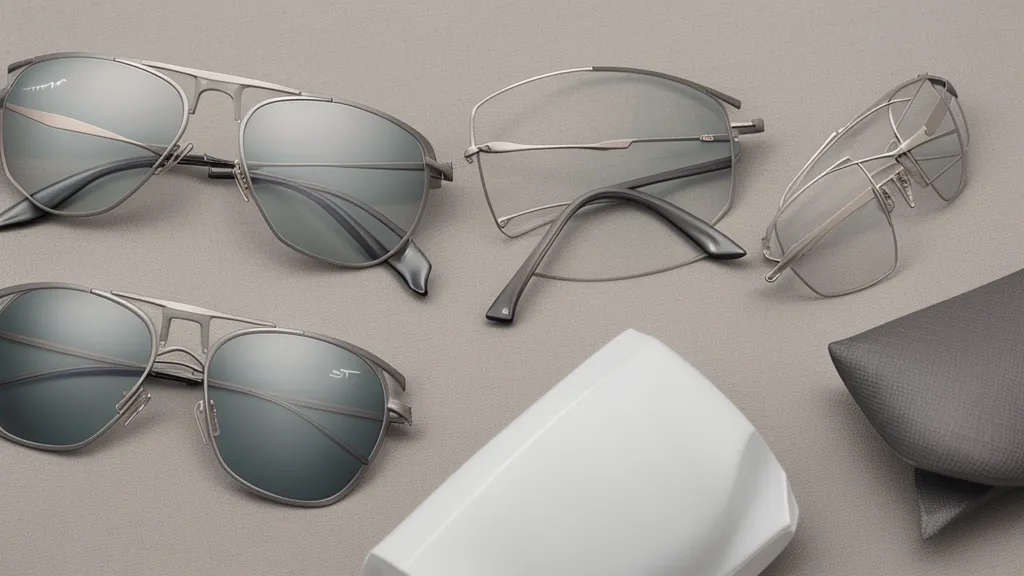
Then I tried the titanium. These were much narrower. I have a small face, and I have previously written about how to find the right frame size for small faces at Yesglasses. Because these frames were smaller, the lens didn't have as much room to thicken toward the edges. Even though the metal rim was too thin to 'hide' the lens, there was actually less lens to hide.
The Turning Point: Centering and Distortion
After about two weeks of rotating between the pairs, I noticed something that most buying guides ignore. A poorly aligned lens is like a missing serial comma—the reader (or in this case, the wearer) does not know exactly what is wrong, but the page feels off. This is peripheral distortion. Because the specialized narrow-fit metal frames from Yesglasses allowed for better centering of my pupil within the lens, the overall distortion was lower than in the 'fashionable' wide plastic frames.
The plastic frames looked better in the mirror, but the metal frames worked better on the page. When I’m copyediting, I need my entire field of vision to be sharp, not just the center. The 1.67 lenses in the titanium frames felt 'flatter.' It turns out that while plastic hides the lens edge, the metal frames—when sized correctly—actually reduce the physical thickness of the lens itself by keeping the diameter small. This was a revelation. I had spent years buying thick plastic to hide a problem that could be partially solved by just wearing smaller metal frames.
I also have to give a nod to the Yesglasses live optician review. I realized during checkout that I had entered my pupillary distance (PD) with a slight typo. Before the order hit the lab, I got a concise email asking me to verify the number against my RX card. That saved me a week of headaches and a certain return. If you are worried about lens durability after months of wear, I’ve found their coatings hold up well, similar to what I noted in my look at the best lens coatings for prescription glasses after long-term use.
Final Reflection: Which One Stays on the Desk?
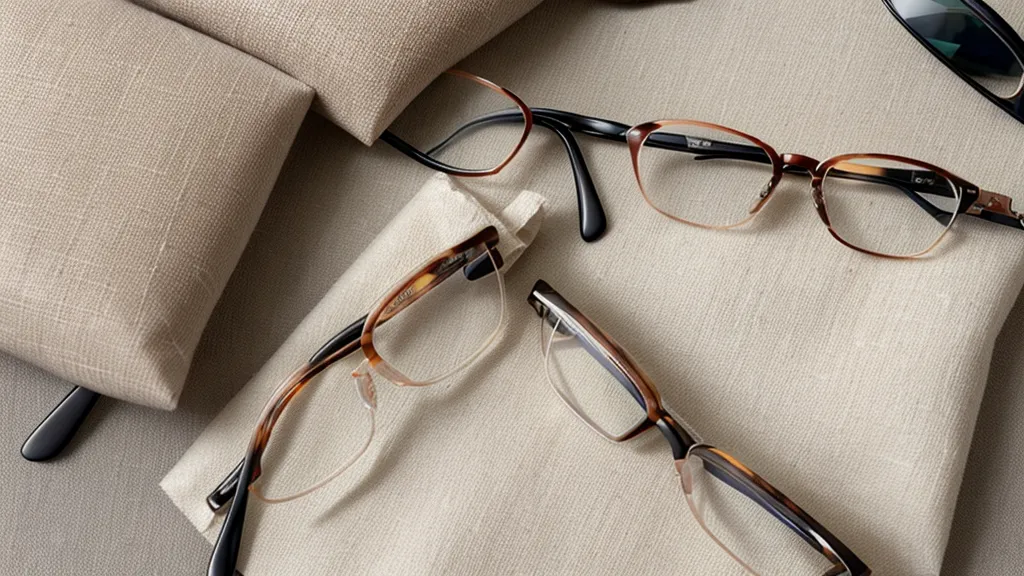
By the time the heat of this Sacramento summer hit in mid-June, the choice was clear. The titanium metal frames became my primary work pair. They are light enough that I forget I’m wearing them, and the centering is so precise that I don't get the 'swimmy' feeling during long editing sessions. I kept the chunky acetate pair for travel and weekends; they look great in photos and the thick rims provide a bit more protection if I toss them in a bag without a hard case.
If you are looking for a new pair and your prescription is north of -4.00, don't just reflexively buy the thickest plastic frame you can find. Take a look at the narrow-fit metal options at Yesglasses. The production-to-doorstep timeline runs about 10 to 14 days, which is a bit slower than some domestic shops, but the precision in the lens mounting is worth the wait. For those who prefer contacts for outdoor activities, I still keep a supply of dailies from ContactsDirect or PerfectLens on hand, especially when I want to avoid glasses altogether. And if your eyes are feeling the strain of the screen, a kit from CorneaCare has been a staple on my desk lately. Ultimately, for a high-myope, the 'best' frame isn't just about hiding the lens—it's about how much lens you have to carry around in the first place.
| Product | Rating | |
|---|---|---|
| Yesglasses Best for High RX | 8.5 | Read More → |
| EyeBuyDirect | 8.2 | Read More → |
| ContactsDirect | 8.0 | Read More → |
| PerfectLens | 7.8 | Read More → |
| CorneaCare | 7.5 | Read More → |
Yesglasses
Pros
- ● Specialized narrow-fit frames perfect for high-index centering
- ● Live optician review catches PD and RX typos before production
- ● Home try-on program allows testing 4 frames at once
- ● Excellent edge polishing on 1.67 and 1.74 lenses
Cons
- − Shipping timeline of 10-14 days is slower than some U.S. competitors
- − Premium frames carry a higher markup than basic budget shops