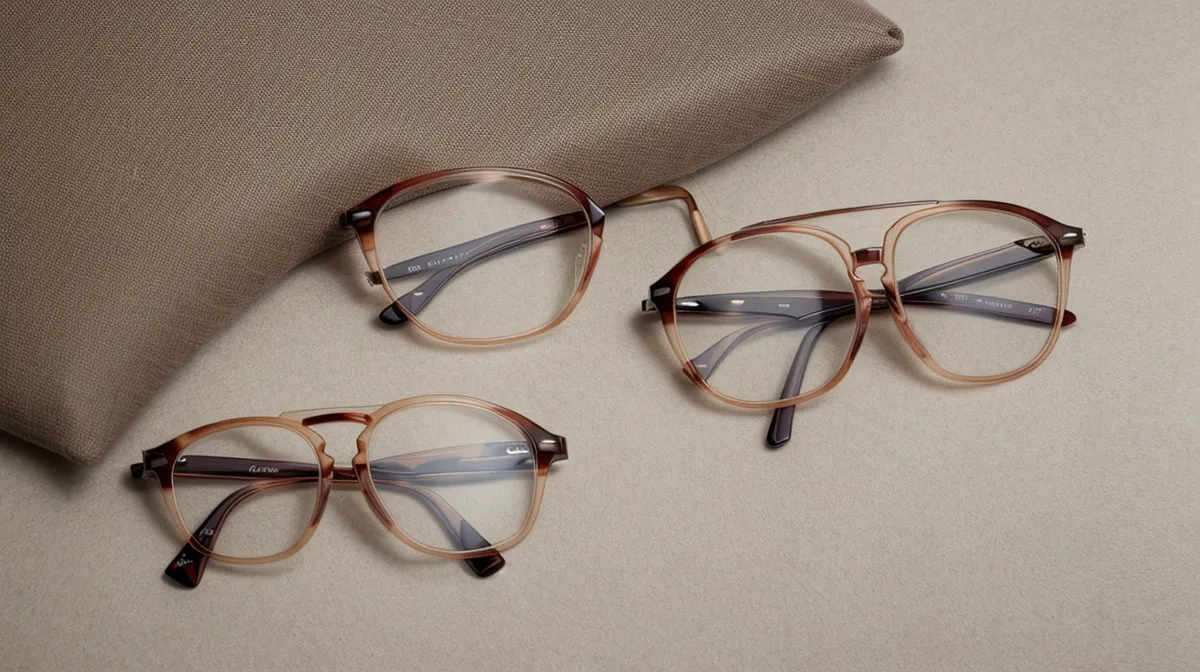
My nose still carries two faint grooves from a pair of glasses retired last year — I keep pressing at them mid-edit, blue pencil still in hand, while a new pair from EyeBuyDirect catches the desk lamp instead. Ten hours a day behind a screen does that to a −5.00 sphere with a stubborn cylinder of astigmatism riding along. High-index lenses exist to solve exactly this problem, thinner and lighter than standard plastic for a strong prescription like mine, except "high" isn't one number. Pick the wrong index and the discomfort just relocates instead of disappearing.
Quick disclosure before anything else: several of the optical shops and vision-plan links on this site pay a commission if someone orders through them, EyeBuyDirect included. The price stays identical either way. Every shop still lands in the running order record regardless of whether the link pays out — a crooked frame or a coating that failed gets logged the same as anything else. These pairs get worn and tested because functioning lenses are how a manuscript actually gets read, not because a brand asked for coverage.
The Real Weight of a −5.00 Sphere
A sphere value past −4.00 on an RX card means the 'coke-bottle' effect is already familiar territory — thick edges, extra weight, eyes that read smaller behind the lens than they do in person. Standard 1.50 plastic doesn't do anyone favors at that strength. Switching from chain stores to online opticals started back in 2019, after a local shop quoted close to five hundred dollars for basic Essilor 1.67 lenses that turned up online, direct, for around one-thirty not long after. That gap never stopped mattering, and EyeBuyDirect has since become a regular entry in the record, mostly for screen-work backups that don't need to be precious.
Clarity matters just as much as weight once astigmatism sits on top of a high-myopic prescription. High index means a thinner lens profile through a material with a higher refractive index, though the physics matters less day to day than whether small type stays sharp instead of fringing with color at the edges. None of it counts if the surface isn't finished cleanly, and this is where the copyediting brain kicks in: a lens that's technically correct but visually off is still a failed proof.
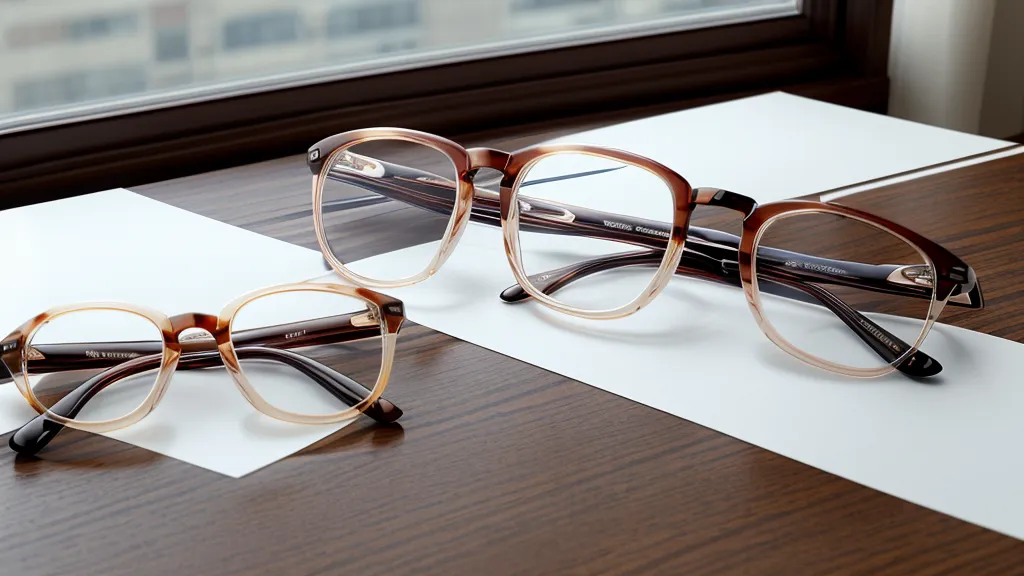
1.61, 1.67, or 1.74: Which High-Index Lens Fits a Strong Prescription?
High-index lenses rated 1.67 or 1.74 are the standard recommendation once a prescription passes −4.00 sphere, and both trim edge thickness and weight compared with standard 1.50 plastic — EyeBuyDirect flags the upgrade automatically past 4.00 diopters, which lines up with what most labs use as their own threshold. A new acetate order placed in mid-November meant sitting with all three options longer than usual before choosing.
1.61 sits in the middle — a mild step up from standard plastic, fine for occasional wear, but at −5.00 the edge still reads like a thick margin crowding a manuscript page, not something built for ten straight hours. 1.67 has been the sweet spot for a while: a real reduction in thickness without a steep jump in price, and it handles the cylinder and axis numbers from an astigmatism correction without bending the world at the edges. 1.74 goes thinner still and sounds like the obvious upgrade, until the Abbe value enters the picture — lower on the 1.74, which shows up as distortion toward the edge of the lens rather than anywhere near the center.
A poorly aligned high-index lens behaves like a missing serial comma: nobody can point to exactly what's wrong, but the page feels off regardless. That's the argument for measure pupillary distance carefully before committing to anything past 1.67 — a small error in that number gets magnified once the index climbs, and there's no proofreading pass that fixes a lens ground around the wrong center point.
Why 1.67 Beat 1.74 in My Own Test
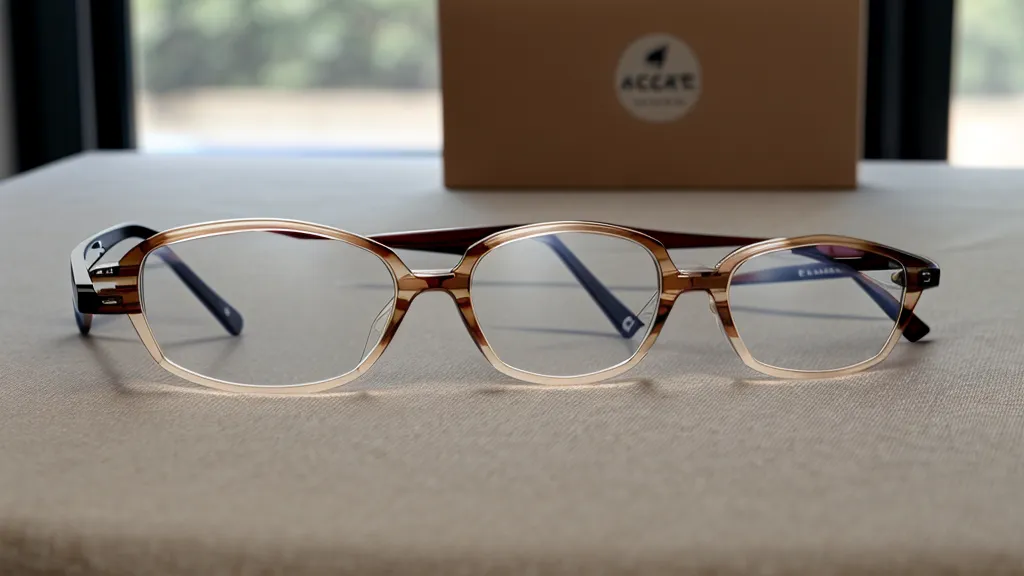
There's a common assumption that highest is automatically best, and a rainy walk near William Land Park put that to a real test. Stepping off a curb in the 1.74 pair produced a faint 'swimmy' pull at the edge of vision that the 1.67s never had — a mild chromatic aberration that shows up most when the head turns quickly rather than when everything's still. Daisuke Mori, a fellow remote editor in the same freelance collective, tracks shipping ETAs with the same obsessiveness he applies to manuscript deadlines, and he'd clocked the 1.74 pair's delivery window before I had — he cared less about whether the lenses actually worked.
By the sixth week of wearing the 1.67 pair daily, reading a client's name off the small italic print on a conference-table badge from three seats away needed no leaning in at all, no strain, nothing that called attention to itself. That kind of evidence holds up better than a spec sheet. For a −5.00 sphere, 1.67 fits flush in most acetate frames and holds clarity better than the 1.74; someone at −8.00 might have no real choice but to go thinner to spare their nose, but at −5.00 the 1.67 is the steadier pick. It's the plain font over the stylized one, easier on the eyes across a long stretch of reading.
Reading the Fine Print on EyeBuyDirect's BOGO
Reviewing the order history a few weeks back turned up how the 'Buy One Get One' promotions interact with lens upgrades. EyeBuyDirect frames often start under thirty dollars, and the high-index surcharge is where the total actually climbs; unlike some shops where BOGO only discounts the frame, EyeBuyDirect tends to discount the whole package, though the lens-index surcharge still applies to both pairs, not just one.
Pairing an EyeBuyDirect order for primary 'work' glasses with buying contact lenses in bulk for outdoor wear has worked out better than trying to get one pair to do everything. Cross-referencing this order against the EyeBuyDirect vs Yesglasses review history is still the fastest way to see which shop is currently faster on shipping. The mid-November order arrived in about eight days, which tracks as normal for a custom high-index grind.
What Made the Permanent Record
It isn't the first coating bet that's gone sideways. A Zenni pair ordered on a whim, mostly out of curiosity, started showing AR coating peeling at the edges by week eight — the kind of failure a listing photo never warns you about. Coatings behave less like a fixed spec and more like detergent durability: some hold through months of handling, some go patchy well before that, and the label rarely tells you which you're getting until several weeks in, checking under a lamp.
This same spreadsheet also tracks smaller mechanics that don't fit into a single review: whether pupillary distance got measured correctly before a pair shipped, whether a toric prescription for astigmatism got fitted without a phone call, whether a contacts order actually checked the prescription against the card instead of trusting a dropdown menu, whether the base curve and cylinder numbers on that card were read correctly, whether a replacement schedule — daily against monthly — matched what got ordered, whether a subscription paused without losing its discount, and whether an out-of-network reimbursement ever cleared before the benefit year reset. None of that belongs in a lens-index comparison, but it's the same record, and a shop that handles fine print well on one order tends to handle it well on the next.
The acetate pair that eventually arrived in mid-November wasn't quite what the listing photo promised — champagne online, more of a transparent-office-folder grey in person — though it wasn't a dealbreaker, just a reminder that online listings carry a margin of error. The lenses were the part that mattered, and the 1.67 index kept the profile slim enough that nothing poked out past the back of the frame, which is the actual finish line for anyone this nearsighted.
For anyone hovering around −5.00, the most expensive 1.74 lens isn't automatically the right call just because a checkout page suggests it. Check the RX card, verify the PD, and weigh 1.67 against 1.74 on stability, not just thinness — the lens that sits quietest at the edges usually wins over months of daily wear, and that's most of what myopia management for a strong prescription actually comes down to. Current frame styles are still up at EyeBuyDirect for anyone ready to update their own rotation, index tier included.