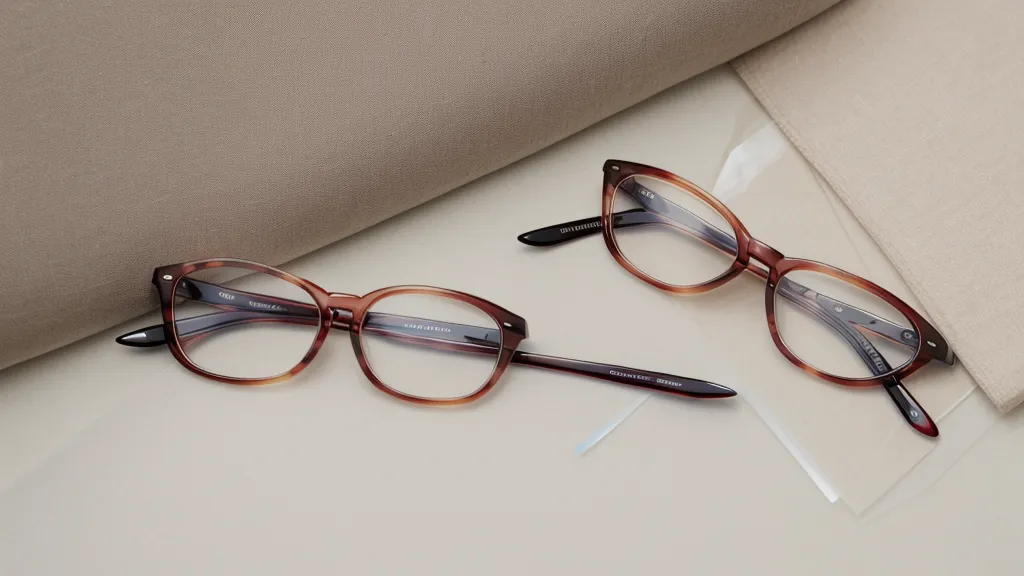
A diagonal scratch across the left lens turns eleven-point type into a smear that no amount of blinking fixes. That kind of defect is what sends a high-myopia prescription like mine, hovering around -5.00 with a cylinder correction chain stores love to upcharge for, straight back into my bookmarked online eyewear tabs instead of the optical counter three miles away. Budget shopping for designer frames isn't a hobby at this point; it's just how the archive gets restocked.
Instead of driving over, I opened the spreadsheet I've kept since 2019 — every shop, every ship date, the listed price against what actually cleared my card, the lens specs down to the index number. That habit started as pure spite. A chain optical store once quoted me close to five hundred dollars for basic Essilor lenses I later found direct for around one-thirty; the 370-dollar gap taught me more about markup than any sales pitch ever has.
The Designer Markup Math
Design markup rarely has much to do with heritage the way the marketing implies. EyeBuyDirect, where most of my recent frames come from, is a subsidiary of EssilorLuxottica — the same parent company behind the brands displayed in glass cases at a licensed optician's office. That single fact reframes what a 'sale' means online versus in a showroom built to justify rent, staff, and a Sacramento sales tax rate north of 8.75 percent.
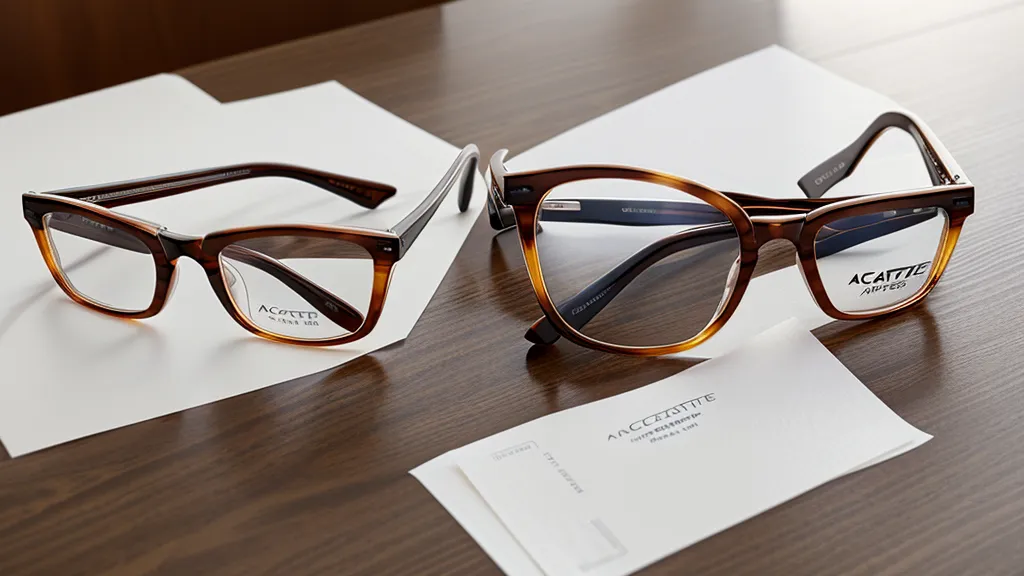
Same-conglomerate sourcing doesn't guarantee identical quality, but it explains why a frame that photographs like a boutique original can ring up for a fraction of that once the storefront theater gets stripped out. For a -5.00 sphere, lens material isn't optional; I stick with 1.67 high-index instead of the 1.50 plastic that would spill 'coke-bottle' edges out of any acetate frame, and I don't bother stepping up to 1.74 since that upgrade stopped paying for itself years ago.
Before I trust an order to go through online, I've usually already tried the brick-and-mortar route first and hit a wall. A Costco Optical quote earlier this year came with a three-week wait for progressives, and the location had no version of the toric brand I needed in stock at all, so I left with nothing but a printed quote and a longer drive home than the trip over.
Where Does EyeBuyDirect Hide Its Best Discounts?
Site-wide banners and buy-one-get-one promos are not where the real designer discounts sit, since those routinely exclude the premium brands anyway. The deeper cuts show up in clearance sections labeled 'Last Call,' stocked with discontinued styles or last season's colorways that mean nothing to someone who just wants a reliable frame for screen work and travel. A classic rectangular frame doesn't carry an expiration date the way a colorway does.
My friend Ambrose Galloway has spent enough time getting fitted at brick-and-mortar counters to have opinions about all of it; his pupillary distance runs unusually wide, which turns every in-store sizing session into a production. When he texted me a frame he liked off a 'Last Call' rack, the first thing I checked wasn't the price, but whether the listed PD range would even come close to his. Before I commit to anything in a clearance bin, I check my notes on how the return policy for online glasses works at EyeBuyDirect, because getting your Pupillary Distance wrong is the fastest way to turn a bargain into a headache; the optical center drifts from your actual pupils and no amount of designer pedigree fixes that.
Testing a new pair happens the same way every time: a walk over toward William Land Park in full daylight to check whether the edges introduce any distortion at the periphery, the kind that a listing photo's flat lighting never reveals. Frames that pass that test earn a permanent line in the spreadsheet; the ones that don't go back in a box before the return window closes.
Twelve Weeks of Coating Wear
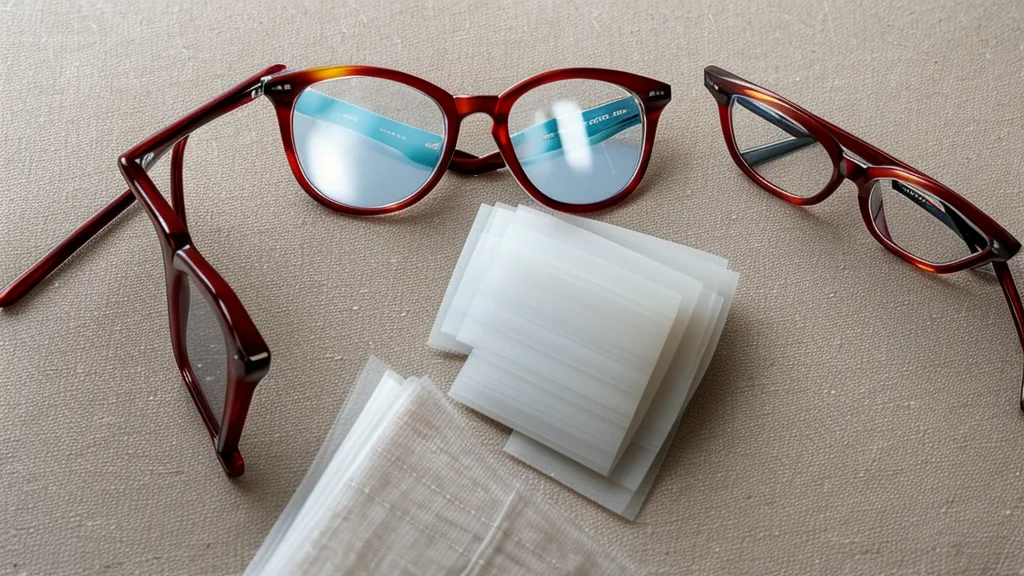
Coatings are the one variable that can't be judged from a product photo, so I treat them like laundry detergent: durability only shows up after repeated cycles, not the first wash. By week twelve of daily cleaning, the anti-reflective layer on this pair still showed no rainbow separation at the edges, putting it on par with a pair I paid full retail for years earlier. I've written before about best lens coatings for prescription glasses after months of use, and the pattern across my spreadsheet holds: durability doesn't track with the price tag. Shipping matched expectations too; I've logged how long EyeBuyDirect shipping takes for prescription glasses orders in detail before, and this 'Last Call' pair landed right in the middle of that window despite the clearance status.
The clearest proof of the upgrade came at a client meeting, not at my kitchen sink with a cleaning cloth. Across the conference table, I read the italic subtitle under a stranger's name on a badge clipped to her lanyard without leaning forward or squinting; type small enough that the scratched pair would have blurred it into nothing.
Reyna Gutierrez, someone I know through a Sacramento-area vision care group online, asks a version of the same question every few months: whether an out-of-network plan will reimburse anything on an order placed online at all. My answer stays the same — check the claim form before checkout, not after, since insurers want an itemized receipt that matches the prescription card exactly, and a listing description doesn't count as proof of anything.
Contacts complicate the record in their own way. I rotate dailies and monthlies depending on the week, and the two don't share a reorder rhythm, so each gets flagged separately in the spreadsheet instead of trusting one subscription cadence to cover both. Base curve and diameter get their own columns too, separate from anything on a glasses order, because a contact lens prescription carries numbers a frame will never need. Peeling the foil back on a blister pack still has that cool, faintly resistant give right before it lets go — the one part of a contact lens order no listing photo prepares you for. Pausing a subscription without losing whatever discount got you signed up in the first place is its own separate skill, and I keep notes on that shop by shop.
Trust the Spreadsheet, Not the Sales Floor
None of this makes designer frames free, and it isn't supposed to. What it does is strip the storefront markup down to the actual cost of good lenses, a decent frame, and a coating that survives more than one season of desk work. My latest pair, tax included, landed nowhere near that five-hundred-dollar quote from years back, and both the 1.67 index and the coating held their end of the deal. For anyone chasing best blue light glasses for computer work at EyeBuyDirect, remember the frame is just the housing; the real value sits in lens accuracy and coating quality. Keep the RX card next to the keyboard, check the PD before the price, and let the archive decide where the next order goes — not the sales pitch.