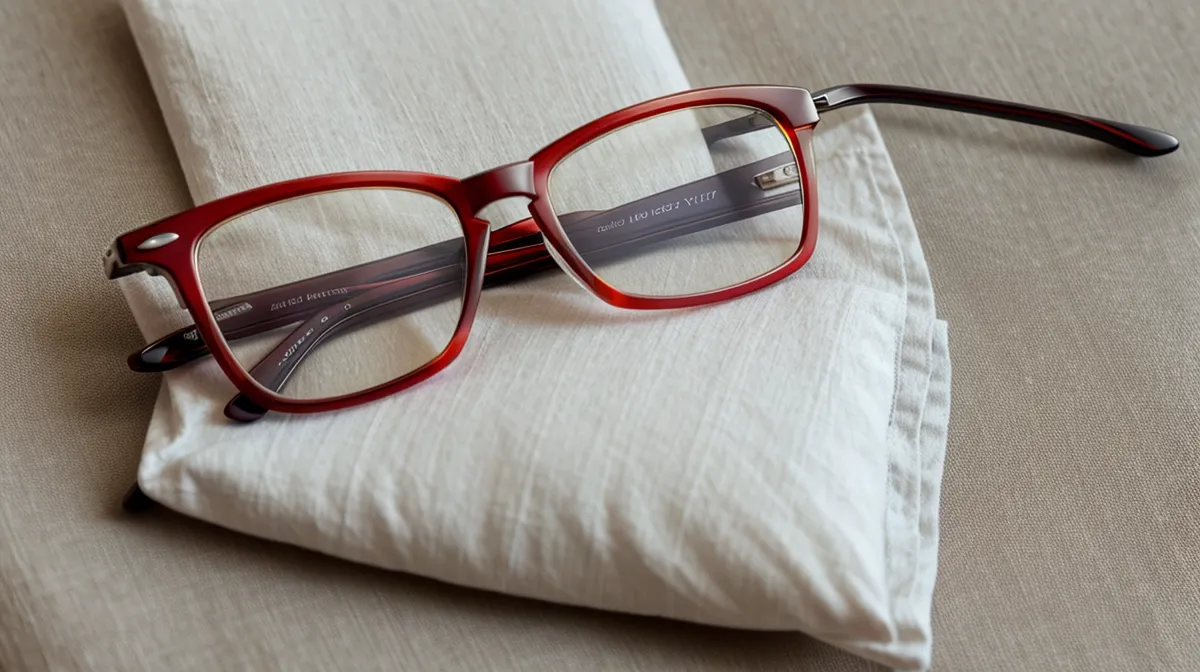
The frame in my hand doesn't match the case from the listing photo — tan pictured, matte navy in the box — which is usually the first sign an order is worth a second look before the lenses even get judged. This is a progressive order, the first one after two decades of single-vision, ground for a prescription that sits at high myopia, somewhere around minus five with a slice of astigmatism thrown in. Warby Parker's home try-on kit had already been ruled out before this order started: fewer than two frames in their catalog were rated for a prescription above minus four, which is a hard limit when you're shopping for online eyewear at this correction.
That kind of arithmetic is why the whole running archive of orders exists in the first place. A chain optical store once quoted close to five hundred dollars for basic 1.67 lenses, and the direct-to-lab price for the same material landed near one-forty — a gap wide enough that going back to a counter for progressives was never seriously on the table.
Two Ways to Fit a First Progressive Order Online
Every optician's advice for a first progressive lands on the same recommendation: go big. A tall frame gives the lab more vertical room to blend distance, intermediate, and near correction without the edges turning into a swimming mess. The other approach — the one that actually won here — is staying close to whatever the lab sheet lists as the floor for that blend, and trusting the lens material to do the work instead of the frame size.
Comparing the two side by side is really a trade between distortion and bulk. A taller frame buys a wider, calmer corridor, but it also puts more lens surface at the periphery, which is exactly where the swim effect lives for anyone adapting to progressives for the first time. A shorter frame keeps that distortion tighter to the edges, away from where the eyes naturally travel, at the cost of a slightly narrower margin for error in the fitting. That's the whole trade. The same logic shows up when choosing eyeglass frames for high myopia to hide thick lens edges — the frame is doing double duty, and oversizing it to chase one goal usually works against the other.
Does the Bigger Frame Actually Win for a High-Myopia Prescription?
High-index material mattered more here than frame height, and at this correction skipping it was never really an option — anything thinner-rated would have made the lenses heavier than a modest frame could carry well. PD came off the RX card before the order even started, which sounds trivial until you've pinched one of those cards between two fingers and felt how waxy and stiff the stock actually is, almost laminated, built for exactly this kind of checking. I've looked at how long EyeBuyDirect shipping takes for prescription glasses orders before, and a progressive lab job runs on the long end of that range, longer than any stock single-vision order ever has.
A reader named Fletcher Nwankwo emailed me once, a while after a piece on subscription auto-renewal traps, and mentioned almost in passing that he buys contact lenses in bulk because his prescription is mild, somewhere around minus 1.75. At that correction, a slightly imperfect fit barely registers. At high myopia, the same margin of error shows up immediately, which is the whole reason frame height and lens index carry more weight in this decision than they would for someone like him.
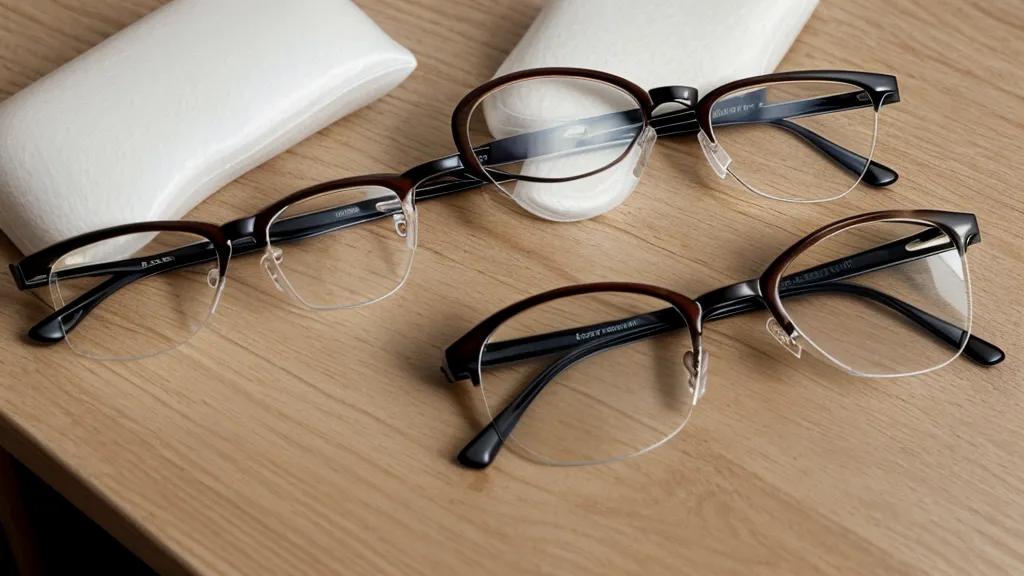
The Modest-Height Frame, In Practice
Cylinder and axis got double-checked against the card too, the same two numbers that make toric fitting finicky for anyone with astigmatism, though that's really its own conversation for another order. For this one the numbers matched, the frame cleared what the lab needed without ballooning past it, and the mismatched case color turned out to be the only real surprise in the box. Small relief, that one.
Testing the Corridor Outside a Desk Chair
The wobble showed up first on hallway floorboards at home, before the frame ever left the apartment — a slight, curved distortion at the bottom edge of the lens that made flat ground look like it was tilting.
Outside, it showed up again on the uneven brick paving near the Crocker Art Museum courtyard, downtown, where a change in grade underfoot turns into something that seems to shift when it's viewed through the bottom of a progressive lens. Twenty years of single-vision trains the habit of looking through whatever part of the glass is convenient; progressives punish that habit right away. The fix is pointing your nose at what you want to see instead of just your eyes, which feels clumsy for exactly as long as it takes to stop thinking about it.
A Friend's Progressives Would Look Nothing Like Mine
A friend who spends weekends cycling the Jedediah Smith Memorial Trail would need a completely different trade-off. Distance vision matters more than near vision when you're watching for a change in pavement at speed, and a corridor built around a computer screen at arm's length is the wrong tool for that job. That's the real argument for going bigger on frame height — not comfort, but the amount of intermediate and distance zone a more active day actually demands.
Reading a Corridor Like a Manuscript Line
Misalignment in a corridor reads the same way a missing serial comma does on a page — nothing overtly wrong, just a nagging sense that something is off until the eye finds the exact spot the correction actually lives. Toggling between a manuscript on a screen and a printed style guide on the desk is where that shows up fastest, because the intermediate zone either lines up with a monitor at a fixed distance or it doesn't; it's the same interaction zone relied on with the best blue light glasses for computer work at EyeBuyDirect, just built into a progressive instead of a single-vision lens now. PerfectLens blister packs taught a related lesson about checking details before trusting them: the expiration stamped on the foil has to match what the site listing promised, which is the same instinct that makes checking a corridor against the actual desk setup worth the extra minute.
Which Frame Height Actually Earns Its Keep
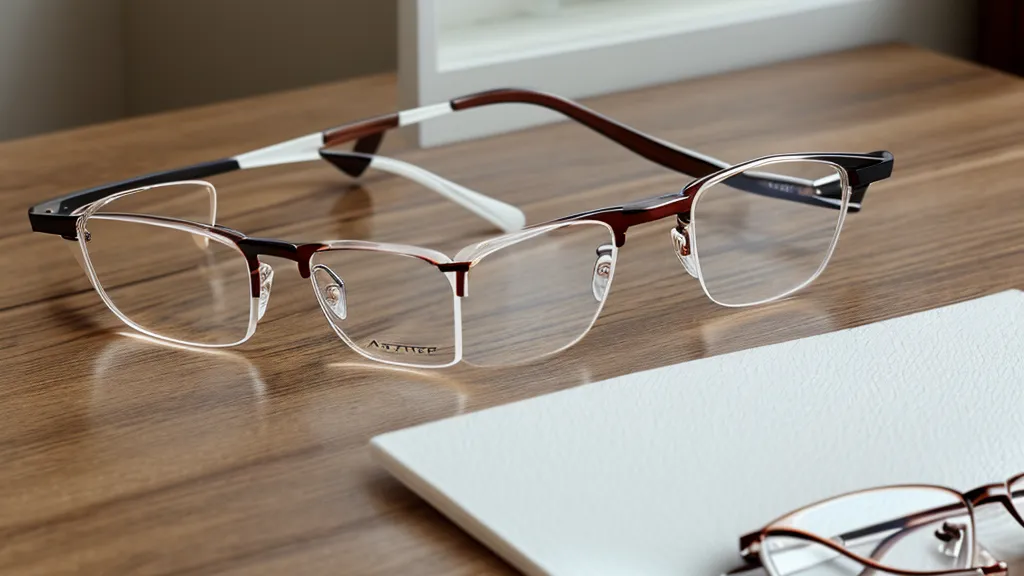
If most of a day happens at one desk, at a fairly fixed distance from one screen, the modest-height frame serves better: less peripheral lens to fight, a corridor just wide enough for the tasks that actually repeat. If a day is less predictable — more time outdoors, more distance work, more of the kind of use a cyclist on the Jedediah Smith Trail would put a pair through — the taller frame earns the extra room it takes up, because the corridor has more zones to cover and less patience for being minimized.
None of it requires an in-person fitting to sort out. What it requires is being honest about which part of the day — screen-bound or moving around outdoors — actually needs the wider corridor, and ordering the frame height that matches that answer instead of the one an optician's rule of thumb defaults to. That's the whole of vision care this particular decision touches: not which frame looks better on a face, but which corridor height matches how the day actually gets used.