A monthly contact lens has to survive thirty nights of solution and rubbing; a daily disposable only has to survive one shift before it goes in the trash. For a freelance copyeditor logging eight-plus screen hours in 2026, that gap matters more than anything printed on either box, and it's the question that fills half my inbox this year: which one actually holds up at a monitor.
Quick disclosure before the comparison: some of the shops named below, including ContactsDirect, pay me a small commission if you order through a link on this page, at no extra cost to you. That arrangement doesn't change what goes in my running order log — a shipment that arrives wrong or an auto-charge that fires after cancellation gets written up whether the link pays out or not.
My prescription sits around a -5.00 sphere with a touch of astigmatism, the kind where a toric lens fitting has to nail the axis and not just the sphere, or the whole page swims. Myopia that high means base curve and diameter matter as much as power on any order I place, and I still check every number — PD included — against the RX card before I check out, contact lenses or glasses.
Does a Monthly Lens Actually Fail by Hour Eight?
Usually, yes, though not because the lens itself breaks down. A silicone hydrogel monthly barely two weeks into its cycle can start feeling like it spent the night in a drawer of loose paper clips, and the culprit is rarely the prescription. It's blink rate. Staring at a manuscript for four hours drops how often you blink, and a lens that's already carrying two weeks of film doesn't have much cushion left. A poorly aligned lens, like a missing serial comma, doesn't announce itself; the page just feels off, and you spend ten minutes blaming your eyes before you think to blame the lens. If it's day fourteen or later in the cycle, treat any midafternoon haze as the lens first and your eyes second, and swap to a fresh pair before troubleshooting anything else.

The Replacement Schedule Is the Real Variable
This is the part that gets skipped in most buying guides, and it shouldn't be. A daily disposable comes out of the pack, gets worn for one shift, and goes in the trash before it can accumulate anything — no protein, no lipid film, nothing riding along on the surface by the time you take it out. A monthly lens is the opposite bet: it has to survive thirty days of handling and nightly disinfection, and even with a good multi-purpose solution, it tends to turn deposit-prone by the third week of use. That's not a defect. It's the trade a monthly makes for cost, and it's the single fact worth knowing before you pick a side: week one and week three are not the same lens, even though the box says otherwise.
Switching to Daily Contact Lenses for a Full Editing Day
Once I moved a heavy editing week over to a full daily rotation, the difference showed up in the first hour, not the eighth. Fresh plastic feels cool and slightly slick going in, every single morning, instead of degrading a little more with each use the way a monthly does by its third week. If you're setting up your first bulk order, buying contact lenses online after getting your in-person eye exam is worth reading before you commit to a box size, since the prescription on file has to match what the shop has listed exactly. For screen-heavy weeks I keep coming back to ContactsDirect, mostly because they apply my insurance benefit at checkout instead of making me upload a PDF and wait on a reimbursement check.
The VSP Portal Detour, and Why Insurance Still Matters
Insurance is the part nobody enjoys explaining, so here's the short version: a vision plan can save real money, but only if the portal cooperates. I once tried routing a backup-frame order through the VSP in-network portal, and the whole frame selection cut off once I hit a 1.59 index, which isn't an unusual prescription for a -5.00. Out-of-network reimbursement exists as a workaround for exactly that kind of wall, though it comes with its own paperwork trail. If a plan's own portal won't show your index, that's the sign to stop fighting it and order the frame direct instead. After that detour I went straight to EyeBuyDirect, where the frame prices don't assume everyone's prescription tops out at a low index. Their best high index lenses for strong prescriptions at EyeBuyDirect writeup covers the index math in more depth than I will here.
Can a Subscription's Auto-Pause Be Trusted?
Fernanda, two houses down on my block, still thinks any subscription is a trap you forget about until the charge hits your card. She's not entirely wrong about the industry. But PerfectLens is the one place where I've paused a shipment mid-cycle and had it actually pause, no surprise box, no lost discount tier. What sold me wasn't the pause button, though; it was pulling a fresh strip of their blister packs out of the mailer and finding the expiration dates matched exactly what the listing had promised, down to the batch. Check that detail before you judge any subscription on its pause feature alone — if what arrives doesn't match what was listed, the pause button is the least of your problems. Their PerfectLens is reliable for fast contact lens delivery piece has the fuller order history if you want the receipts.

Backup Frames Carry the Days Contacts Can't
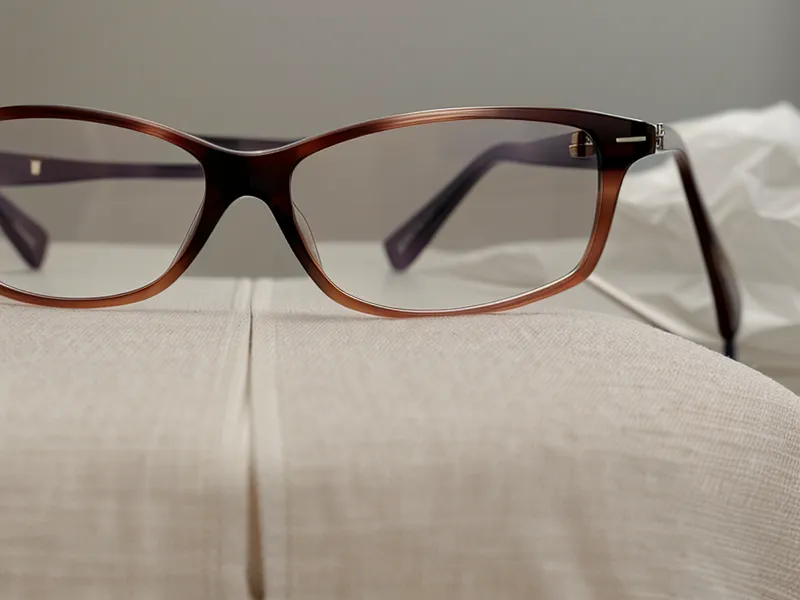
No lens, daily or monthly, fixes a day where your eyes are just done. That's what the backup frames on my desk are for, two pairs, usually, sitting on a lens cloth at the edge of the alcove where I work, under the window that faces north so the light never glares off the monitor. A forum regular named Taryn Oguike, who tracks the same toric lens SKU across four different retailers at once just to see who moves price first, talked me into adding CorneaCare's warm compress and lid-wipe kit to that same desk a while back, and it's stayed there since. Between the frames and the compresses, a bad lens day doesn't have to be a lost workday.
My current rotation, for what it's worth: dailies from ContactsDirect on the heavy eight-hour-plus editing days, especially when insurance is footing part of the bill; a backup pair of 1.67 high-index glasses from Yesglasses for the nights when my eyes need a full break from contact lenses; and the CorneaCare kit for the dry, climate-controlled air that Sacramento home offices seem to specialize in.
So Which One Wins for Screen Work?
Neither, on its own. Dailies win the deposit argument and the comfort argument for anyone doing back-to-back manuscript checks; monthlies win on cost per box, but only if your eyes can actually tolerate a lens that's three weeks into its cycle, which mine mostly can't anymore. If the sting usually hits by midafternoon, start with your insurance benefits and see what ContactsDirect can apply directly at checkout before you pay full price for a box of dailies. It won't fix a manuscript with a missing comma in it. But you'll at least catch the typo before it ships.