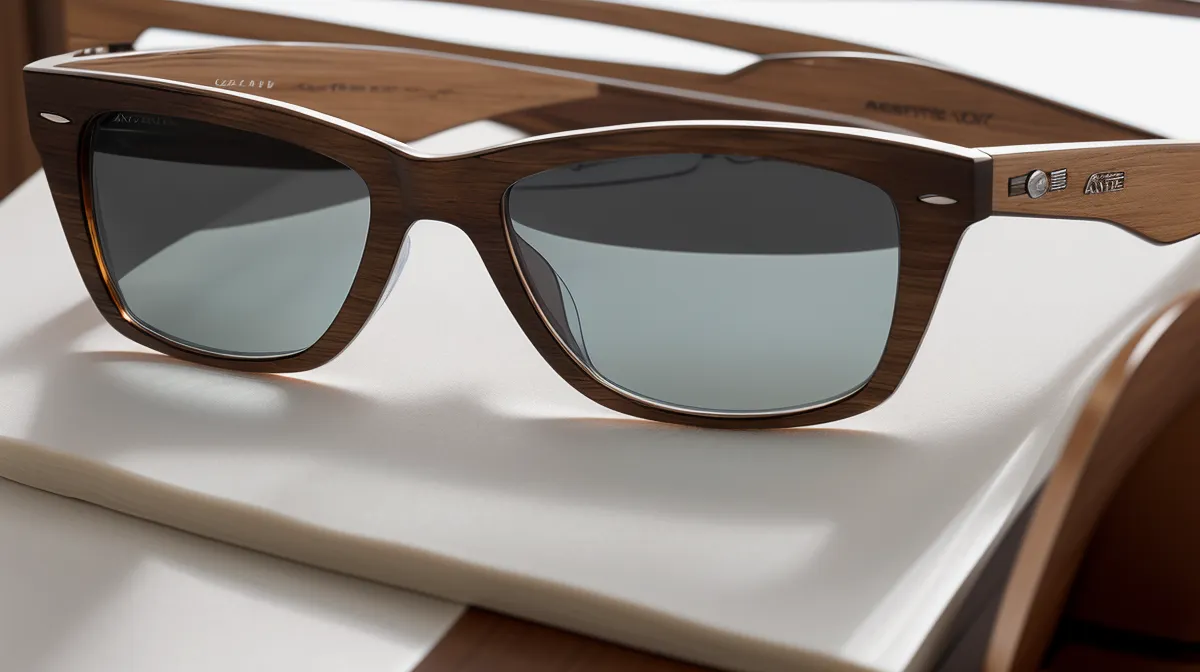
The frame selection on VSP's in-network portal stops flat at 1.59 index. Scroll past that number and every polarized prescription sunglasses option for a prescription above -4.00 disappears from the results. That's close to where my own high myopia sits, and it's the fastest way to explain why polarized lenses behave differently once a correction gets serious: a filter that cuts glare only matters if the shop selling it will put that filter behind your actual lens.
A few of the shops named below pay a small commission if you click through and buy — EyeBuyDirect and ContactsDirect included — though it doesn't change your price. Every recommendation here gets checked against a running order log that started back when a chain optical counter quoted close to five hundred dollars for basic 1.67 lenses I later found direct for around one-thirty. Shops earn a mention because their prescription handling or return terms held up under an actual high-myopia order, not because the commission was generous.
The 1.59 Index Ceiling: Where Prescription Sunglasses Portals Cap Out
VSP's ordering tool is built for the average member, not the edge case, and a -5.00 sphere with astigmatism becomes an edge case the moment polarization enters the picture. The portal sells a polarized tint up to a certain lens index and then simply stops offering it. No waitlist, no workaround, nothing past that ceiling. High-index material itself — 1.67 against the standard 1.50, and the thickness trade-off between them — is a deep enough topic to deserve its own separate breakdown rather than a rushed paragraph here. What matters for this piece is that the index ceiling and the polarization ceiling aren't the same number on most ordering portals, and nobody mentions that until you hit it. Budget shops like EyeBuyDirect at least price the high-index upgrade as a visible line item at checkout, though once a prescription passes the plus-or-minus four mark, that upgrade tends to stop being optional, and the base cost climbs with it.
That upgrade path matters because high-index lenses carry a known trade-off: chromatic aberration, a faint color fringing around high-contrast edges that gets more noticeable in bright, glary conditions. It isn't dangerous. It's the optical equivalent of a missing serial comma — nothing technically wrong, but the page feels off.
Why Do Polarized Filters Matter More for High Myopia?
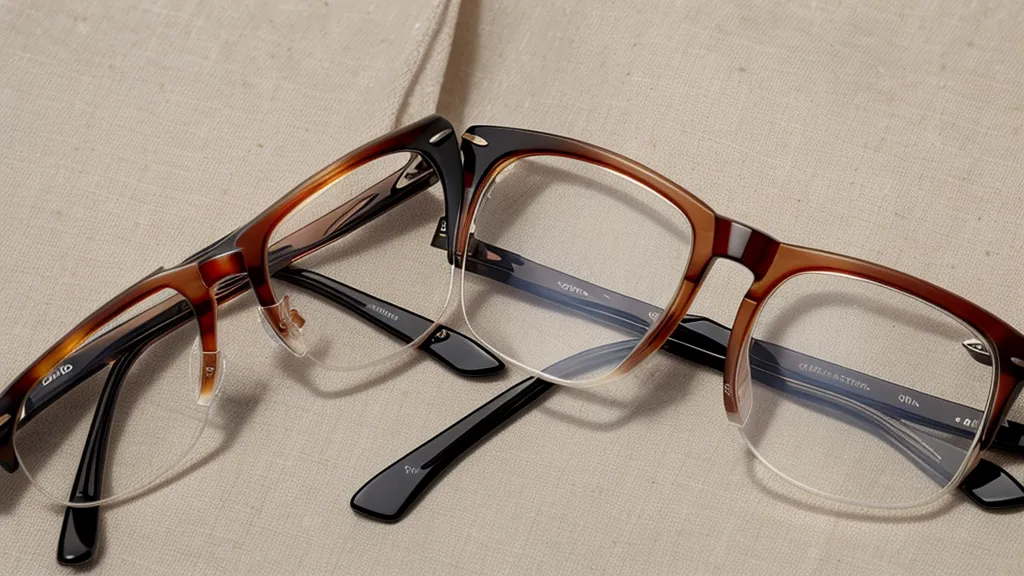
Standard tinted lenses turn down the brightness across the board, reducing roughly every wavelength by the same amount. Polarized lenses work differently — they filter out horizontal light waves specifically, the type that bounces off flat, reflective surfaces like wet pavement, car hoods, or water. That distinction carries more weight for a high myope than for someone with a mild prescription, because the eye is already working harder to interpret a clear image through a thick corrective lens. Strip the reflected glare out on top of that, and there's simply less noise left to process.
I tested this side by side at a table at Tower Café on 16th, swapping a polarized demo pair over my regular frames while afternoon glare came straight off a row of parked windshields across the street. The difference wasn't subtle. A pair of dailies I've worn from six in the morning until nine at night on stacked-deadline days still felt fine at hour fifteen — no dryness, no reflex to yank them out early — and that's the comfort baseline every new lens material gets measured against now. Less reflected glare seems to translate directly into less eye strain by the end of a long day, not because the prescription changed, but because the eyes stopped fighting light that had nothing to do with focus.
Checking The Order Before You Submit It
None of this matters if the order itself is wrong, and the mistakes that ruin a prescription sunglasses order rarely show up in the lens material. Pupillary distance is the number most people guess at instead of measuring, and getting it wrong is its own separate topic worth walking through elsewhere. The short version: confirm it before typing anything into an order form, not after the glasses arrive off-center. Cylinder and axis matter just as much for anyone with astigmatism stacked on top of a high prescription. A forum regular named Taryn Oguike has sent me order notes for years, and her cylinder axis sits close to 180 degrees — exactly the kind of awkward fitting territory a few shops quietly mislabel or round off. Verifying the prescription against the card from your actual exam, rather than against whatever a checkout form auto-fills, catches most of these errors before they become a return.
The RX card itself is worth handling before typing a single number anywhere. There's a stiff, waxy card stock most offices still print on, the kind that resists bending when you pinch it between two fingers, and mine from three different providers have all survived being read under a phone flashlight before checkout. Fernanda Quiroga, a neighbor two doors down, is more methodical about comparison-shopping than I've ever managed to be. I've started borrowing her habit of cross-checking a prescription number against the original card at least twice before submitting anything.
What Coating And Return Windows Actually Determine
Coating durability gets buried in the fine print, but it decides whether the polarized upgrade is worth repeating on the next order. Anti-reflective and polarized coatings wear the way a laundry detergent's marketing claims wear: impressive on the label, uneven once a few months of real handling sit behind it. The gap only shows up with use, never on day one. A shop's return or remake window matters more here than most buyers realize, because a coating flaw or a polarization defect rarely shows itself in the first week. It shows up later, well past a short return window some retailers quietly enforce.
Polarization Isn't Universal: When It Becomes A Liability
There's one group that should ignore most of this: anyone navigating by a digital instrument panel instead of a windshield. Polarized filters block specific light angles, and that same blocking effect can wash out or fully black an LCD or glass cockpit display. That makes polarization a liability instead of an upgrade for pilots, and for anyone else reading a screen-based instrument rather than the world in front of them. I ran into a smaller version of the same problem years ago with an overly dark budget tint that made my car's dashboard unreadable inside a tunnel. Small reminder. These count among the best prescription sunglasses for outdoor sports without being a universal tool for every screen-reading task.
Paying For It Without Losing The Subscription Discount
My own pair came from Sunglass Hut, backordered enough that the timeline from order to doorstep ran past six weeks — a long wait next to the usual same-week turnaround on regular frames. I paid more for the polarized 1.67 pair than I would have for photochromic lenses at the same prescription, and I still reach for the polarized pair first on anything resembling a sunny drive. Daily contacts from ContactsDirect stay in weekend rotation under a cheap pair of shades in the meantime, which raises a separate replacement-schedule question: dailies versus monthlies change the math on comfort and cost enough to deserve their own breakdown rather than a tangent here.
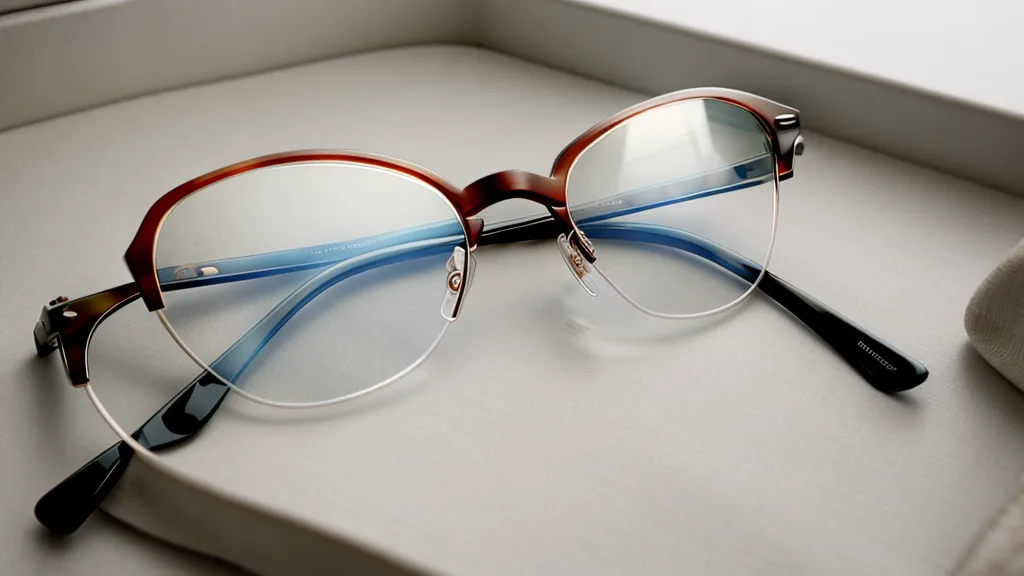
Insurance coverage doesn't necessarily disappear just because a portal caps out early. VSP and similar plans sometimes reimburse out-of-network purchases after the fact, a completely different process from in-network portal ordering and worth understanding before writing off a shop just because it isn't in-network. Subscription-based contact lens services handle the recurring side of this better than most people expect — the better ones let you pause a shipment without losing whatever discount tier you've built up, which matters more once several prescriptions are rotating at once. Frame fit is its own quiet failure point too, especially on a narrower bridge or smaller face shape, worth measuring before ordering rather than guessing from a product photo.
Chasing the cheapest possible order was never really the goal. The real goal is not paying for the same mistake twice, and that risk climbs with prescription strength, since every remake or return costs more time and money once a lens gets thick enough to need the index upgrade in the first place. If cost is still the sticking point, how to find cheap designer glasses online is worth a look before assuming the frame has to be the expensive part. Just don't trade away the 1.67 index to get there — a thin frame budget paired with a thick-lens compromise rarely ages well.
A clear windshield on a bright commute and a clean manuscript with no stray commas solve the same basic problem: something that should be invisible stops getting in the way. Polarized, correctly indexed, properly fitted prescription sunglasses are vision correction wear first and sun protection second, and they do that job for a high-myopic eye in a way a flat dark tint never quite manages. The difference tends to show up as less fatigue by the end of the day, not as anything dramatic.