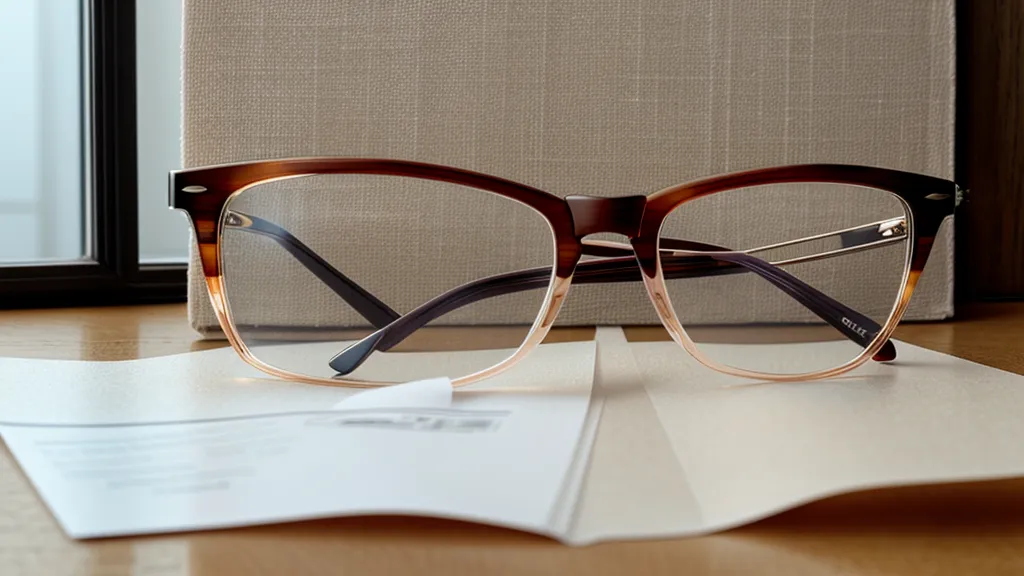
How much does a fraction of a millimeter of lens edge matter once a prescription crosses into high-myopia territory, and every frame on the rack starts to feel like it's working against your face? That question sits underneath most of the lens-technology upsells at online eyewear checkouts, and 1.74 ultra-high index is usually the priciest answer on the list.
A disclosure before anything else: several of the shops named below pay a commission if an order goes through a link on this page, at no added cost to the buyer. That doesn't change what gets logged — I've worn corrective lenses since childhood, with a prescription that's sat north of -5.00 for most of my adult life, and every order has gone into the same spreadsheet since switching away from chain opticals in 2019, after one counter quoted close to five hundred dollars for lenses I later found direct for about one-thirty.
The 'Rings of Saturn' Problem Starts Every High-Myopia Lens Conversation
Anyone who has worn a strong prescription long enough knows the look: a white ring catching the edge of the lens, eyes reading as smaller and further back than they actually are. Copyeditors have a word for the feeling even without knowing the optics behind it — the page is technically fine, but something in the margins reads off. At a -5.00 sphere, standard 1.50 index plastic makes that ring almost unavoidable in anything but the smallest frame, which is most of why finding the best lens material for high myopia matters more than whatever frame style sits on top of it.
Weight compounds the problem. A heavier lens doesn't just look thick, it pulls the whole frame forward and down, and by the afternoon that shows up as pressure behind the ears rather than anywhere near the eyes. Oversized or aviator-style frames make this worse, since more lens material means more weight sitting on the same two contact points. None of that is really about style. It's about whether the hardware on your face is doing its job without announcing itself.
1.74 vs. 1.67: Where the Upgrade Actually Pays Off
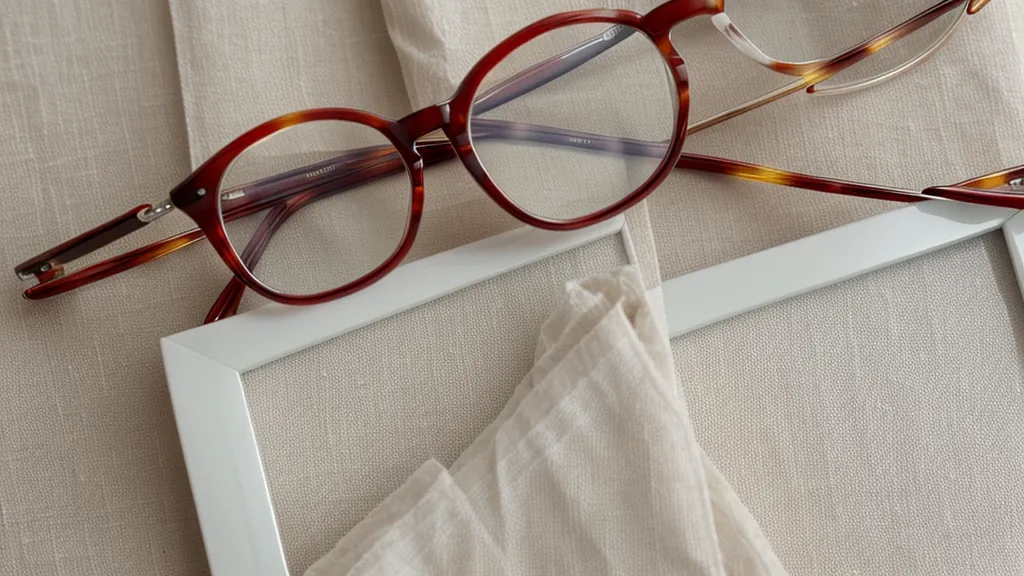
A 1.74 order through Yesglasses is usually the point where someone has already tried 1.67 and found the edge still a little thicker than expected — the upgrade path covered in why I switched to online shops for 1.67 lenses, which solves the edge-thickness problem for a large share of myopic prescriptions without the premium. 1.74 sits a tier above that, ground from a denser chemical polymer that bends light more efficiently per millimeter of thickness. The gap between the two only becomes worth paying for once the sphere passes well beyond -5.00, or once the frame itself is wider than the lens wants to be.
Frame width matters here as much as the sphere number does. A 1.74 lens ground for a frame too wide for the wearer's face still looks thick at the outer edge, simply because there's more lens for that edge to taper across. Narrow and Asian-fit frame specialists built their catalog around exactly this problem, keeping the optical center close to the frame's center so the index upgrade actually shows up where it's supposed to. Production on that kind of order tends to run ten to fourteen days, slower than most U.S.-based labs — the trade made for a narrower fit range than the big chains stock.
What You Give Up for That Thinness
The trade-off has a name: Abbe value, a measure of how much a lens material scatters light rather than focusing it cleanly. Higher-index materials generally score lower here than mid-index options, and the practical result is a little more chromatic fringing toward the far edge of the lens — not something a desk job usually triggers, since reading and screen work keep the eye pointed through the center of the lens rather than its periphery.
Motorcyclists who wear corrective lenses under a full-face helmet are the clearest exception, since checking a blind spot means looking through the edge of the lens on purpose, inside a tight foam seal where every extra millimeter of thickness becomes a pressure point. For that kind of use, the edge clarity trade might not be worth the thinness gained, even though it clearly is for someone reading twelve-point type eight hours a day. Coating durability is its own separate question entirely — closer to comparing detergents across wash cycles than reading a spec sheet — and belongs in a different column of the spreadsheet rather than folded into the index decision.
Checking PD and Axis Before You Hit Order
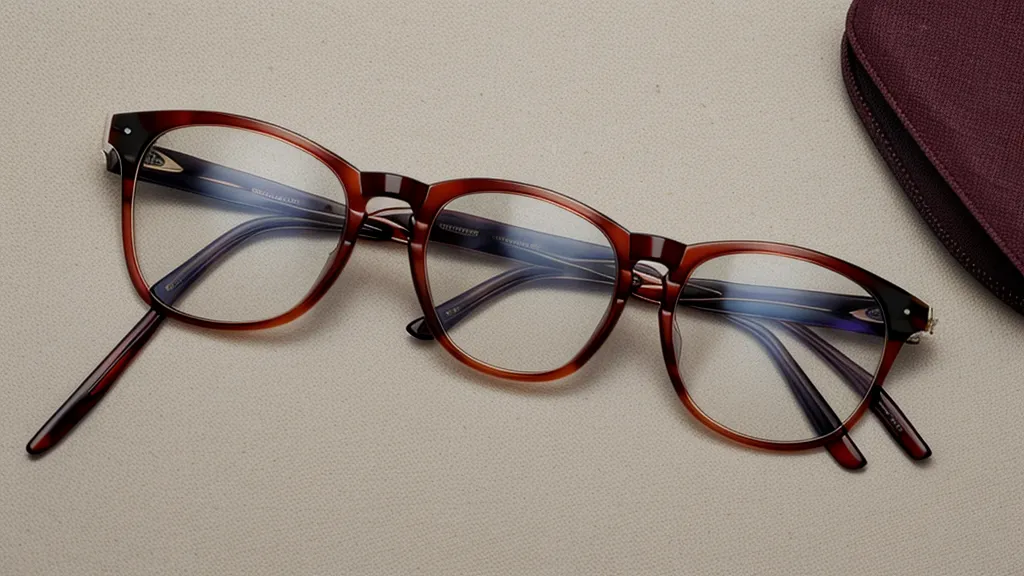
None of the index math matters if the numbers going into the order don't match the prescription card in hand. Pupillary distance and axis are the two fields most likely to get fat-fingered or auto-filled wrong at checkout, and a 1.74 lens ground around a slightly wrong PD is a far more expensive mistake to redo than a basic 1.50 pair would be. The habit that catches this is boring on purpose: pull the RX card up next to the order form and check both fields a second time before confirming, every order, no exceptions.
One entry in the log sits there specifically as the cautionary tale — a pair from an overseas, no-name optical site where the PD on the confirmation didn't match what shipped, and the frames themselves landed two weeks past the delivery window the site had quoted. Nothing about that order was a 1.74-specific problem, but it's exactly the kind of mismatch that gets costlier the higher up the index ladder a buyer climbs. Knowing a shop's remake window before placing the order, not after a bad pair shows up, is the only real insurance against it.
Fitting 1.74 Into a Glasses-and-Contacts Rotation
Glasses are only half of most high-myopia wardrobes. ContactsDirect handles most of the daily contact lens usage side of the rotation here, and switching between the two isn't a straight swap — the effective power a glasses prescription and a contact lens prescription call for isn't identical, since the correction sits a few millimeters apart from the eye in one case and directly on it in the other. A 1.74 lens doesn't change that math. It just makes the glasses half of the rotation less of a chore on the days contacts aren't the plan.
Dailies get rotated in for the opposite reason: less hardware on the face during long screen stretches. Peeling the foil back on a fresh blister pack — that cold, smooth give right before it tears — and checking the expiration date against the listing has become as automatic as the PD check on a glasses order; a pack from PerfectLens matching exactly what the site promised is unremarkable in the way a working system is supposed to be unremarkable. Their subscription can pause a shipment without losing its discount tier, which matters most in a season when the glasses are doing most of the daily work anyway.
So, Which Index Should You Actually Order?
The honest cutoff: under about -4.00 with a frame that's already narrow, 1.67 usually does the job, and EyeBuyDirect prices that tier aggressively enough that the 1.74 premium is hard to justify. Past -5.00, or in a wider frame, the math flips — the 1.74 upgrade stops being a luxury line item and starts paying for itself in less weight and a flatter edge profile every day the glasses are actually on a face instead of in a case.
Checking current options at Yesglasses before reordering a familiar 1.67 pair out of habit is worth the ten minutes it takes, since frame width decides as much of that outcome as the sphere number does. The 'rings of Saturn' look was never a personality trait worth keeping. It's just a lens index problem waiting for the right tier of upgrade.