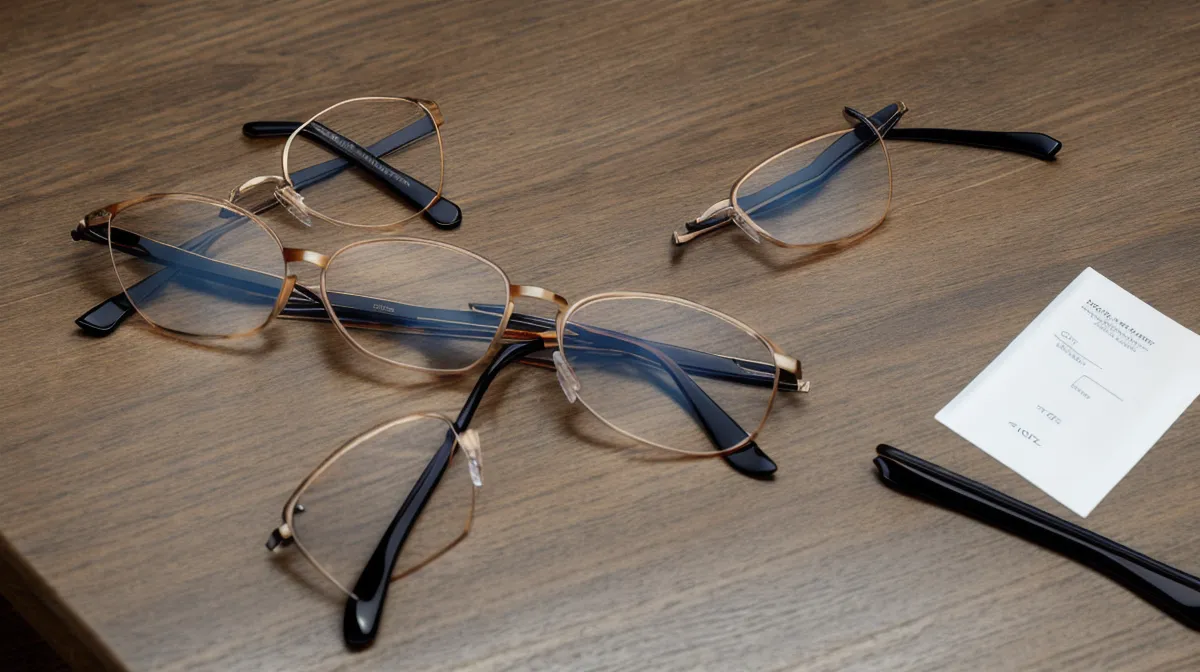
One rainy afternoon in February, I was staring at a retail quote for 1.67 high-index lenses that cost more than my monthly car payment, realizing my -5.00 prescription was being treated like a luxury tax. As a freelance copyeditor in Sacramento, I spend most of my waking hours tracking characters across a screen; my eyes are not just my windows to the world, they are the primary tools of my trade.
Before we dive into the line items of my order history, a quick note on the logistics: some of the optical shops and contact lens platforms mentioned here pay me a commission if you purchase through my links. I earn a commission at no extra cost to you, but the data in my spreadsheet remains impartial. If a frame from an affiliate partner arrived with a crooked hinge or the anti-reflective coating started peeling like a bad sunburn, it gets recorded with the same clinical dryness as a misplaced semicolon. I have tested every shop mentioned here with my own money and my own -5.00 sphere prescription.
The High Myopia Tax and the 1.67 Solution
When you hit a -5.00 sphere, you stop buying glasses based on style and start buying them based on physics. In a standard 1.50 refractive index plastic lens, a -5.00 prescription produces what I call the "coke bottle effect"—edges so thick they could double as a defensive weapon. For years, I let chain optical stores convince me that thinning these out was a boutique service. In late last October, I finally looked at my running record of orders and saw the pattern: retail markups on 1.67 lenses were hovering around 300% compared to what I could find direct.
High-index 1.67 lenses are approximately 30% thinner than those standard 1.50 plastic lenses. For someone like me, who has worn glasses since age 11, that 30% is the difference between a pair of frames that sits comfortably on the bridge of my nose and a pair that feels like a lead weight by 3:00 PM. I also have a touch of astigmatism, which means the cylinder and axis values on my RX card are just as critical as the sphere. When these are misaligned in a high-index lens, the visual result is like a missing serial comma—the reader (or in this case, the wearer) doesn't know exactly what is wrong, but the whole page feels off.
The Spreadsheet Revelation: Retail vs. Online Direct
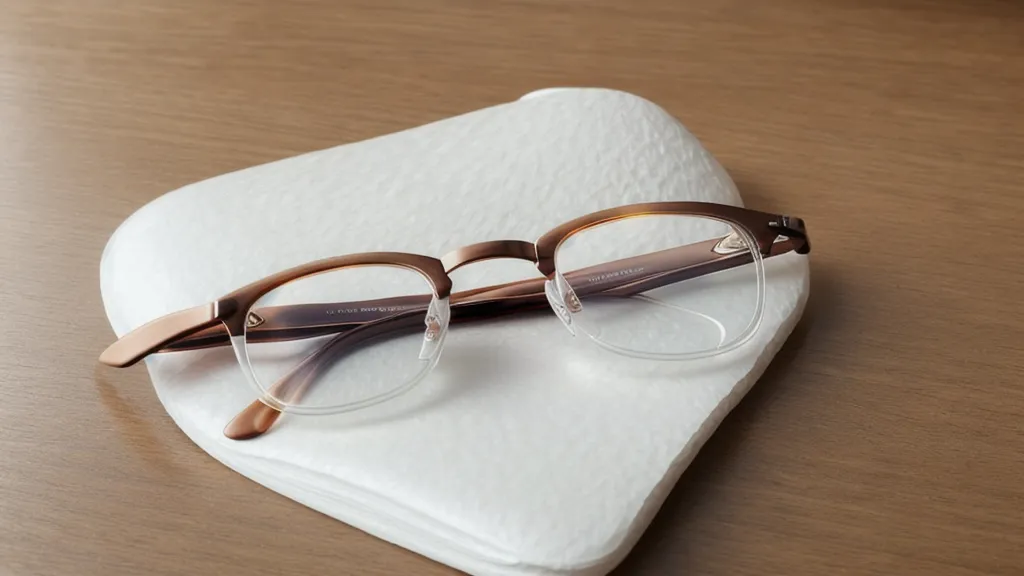
My transition to online shops started in 2019 after a chain store quoted me nearly five hundred dollars for basic Essilor 1.67 lenses. I later found the same material and quality for around one-thirty online. My current rotation includes several pairs of 1.67 lenses from EyeBuyDirect, which has become my baseline for value. Their 1.67 thinning upgrade is clearly priced upfront, unlike the opaque "lens packages" at the mall that bundle in features you might not need just to hide the base cost of the material.
One sensory detail I noticed immediately upon switching: the specific, light "clink" of 1.67 lenses against my wooden desk. It sounds much more like glass than the dull thud of heavy 1.50 plastic. It’s a small thing, but it reinforces the density of the material every time I set my glasses down after a long editing session. However, the online route isn't without its learning curves. I once ordered a pair without checking the bridge measurement, resulting in frames that slid down my nose every time I looked down at a manuscript. It was a humbling reminder that while I can save money on the lenses, I still have to do the work of a professional optician when it comes to frame measurements.
The Critical Role of Pupillary Distance (PD)
For those of us with high-index needs, the Pupillary Distance (PD) is the most dangerous variable in the online ordering process. In a 1.67 lens, the sweet spot of the prescription is narrower. If your PD is off by even two millimeters, you aren't just looking through a slightly blurry lens; you are inviting severe vertigo and visual distortion. This is especially true if you have complex astigmatism. Most online advice tells you to measure your PD with a ruler and a mirror, but for a -5.00 prescription, that is a recipe for a headache.
I started using shops like Yesglasses because they offer a live optician review of the prescription before the order ships. In early June, I placed an order where my self-measured PD didn't quite align with the frame width I’d selected. Their team flagged it before the lenses were cut. That kind of gatekeeping is what makes the online transition viable for high-myopes. If you're nervous about the fit, you might also want to read my notes on how to adjust your new online glasses for a better fit once they arrive.
Coatings, Durability, and the Freelance Budget
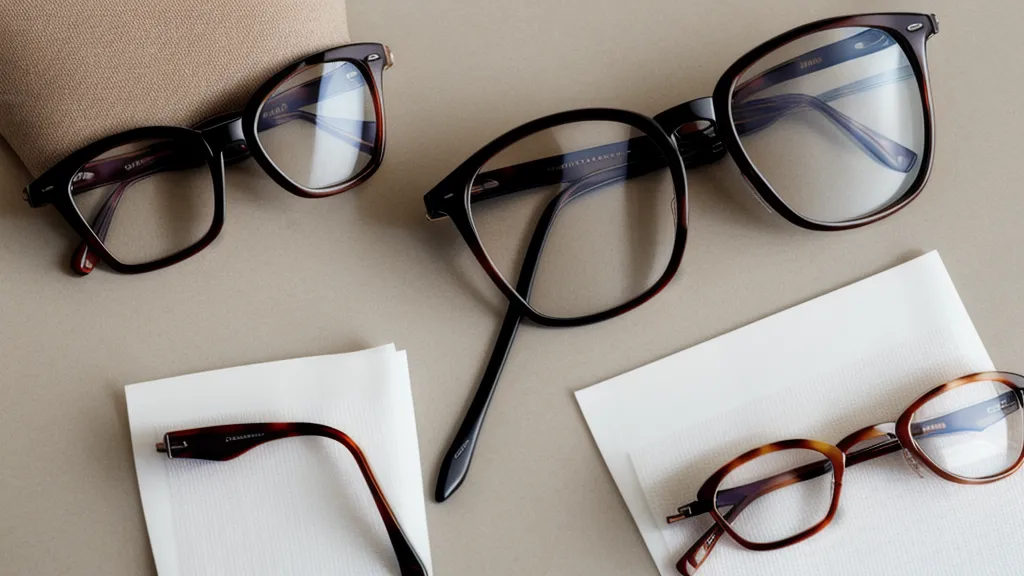
Another niche fact I’ve learned: anti-reflective (AR) coating is functionally required for high-index lenses. The material reflects significantly more light than standard plastic. Without a high-quality AR coating, you’ll see ghost images of your own eyes reflecting back at you from the inside of the lens. Online shops often include this as a standard feature, whereas retail shops often treat it as a fifty-dollar add-on.
About three weeks ago, I sat down to calculate the "boutique markup" I’ve avoided over the last few years. The savings on a single pair of high-index frames from a shop like EyeBuyDirect could actually fund my entire contact lens supply for the next three years. I usually get my contacts from ContactsDirect because they allow for instant insurance benefit application at checkout, which simplifies my quarterly bookkeeping. You can see how I track those specific expenses in my tracking notes from the last six months.
If you're also managing dry eye from too much screen time, as many of us in the editing world do, I've found that bundling my lens orders with maintenance supplies helps. I've been experimenting with CorneaCare for their lid wipes and warm compresses, which helps mitigate the strain that even the best 1.67 lenses can't fully eliminate.
Final Thoughts on the Switch
I no longer view my prescription as an expensive problem to be solved by a salesperson. By taking control of the specs—knowing my 1.67 index requirements, my precise PD, and my preferred bridge width—I’ve turned my eyewear into a manageable business expense. If you are just starting to look for better deals, I recommend checking out these tips for finding the lowest price on contact lenses at PerfectLens as well.
The transition to online eyewear requires a bit of copyeditor-level attention to detail. You have to check the numbers, verify the measurements, and keep a running record of what works. But when you find that perfect pair that doesn't slide down your nose and doesn't cost half a grand, the clarity is worth every bit of the effort. If you're ready to stop paying the retail high-myopia tax, I’d suggest starting your search at EyeBuyDirect for frames or ContactsDirect if you're looking to maximize your insurance on a year's supply of lenses.