Three blister packs are left in the travel case, out of a box of ninety. That's the real trigger for reordering daily contact lenses on a high-myopia prescription, not a calendar reminder or a note from the vision insurance portal, and it's also exactly the kind of online shopping decision that gets made alone, mid-week, with no fanfare.
A quick disclosure before anything else: a few of the shops named below pay a small commission if you click through and buy, at no extra cost to you at checkout. That commission has never decided which shop stays on my reorder list; my own running log has, the one where every January starts with a pen pressed hard enough into a fresh page to leave a ridge on the sheet underneath. It tracks every shipping delay, every batch number, and both refund cases I've had to chase down.
The Myth That Online Contacts Are a Gamble on Price
People assume a chain optical counter is the safe, predictable choice and an online shop is the gamble. My own numbers say the opposite. A chain store once quoted me close to five hundred dollars for basic 1.67 high index lenses, and I found the same lens direct for around one-thirty not long after. That gap is what pushed my ordering online in the first place, long before daily contacts entered the picture. My prescription sits around a -5.00 sphere with a touch of astigmatism, the kind that turns low-light driving into guesswork, and I've worn some form of correction since I was eleven. Ambrose, a friend from way back, has never worn a contact lens in his life and isn't about to start; frames are the only answer for him, and he thinks I'm slightly unhinged for tracking blister pack batch numbers the way I do. He might be right. A prescription that strong just doesn't leave much room for guessing, on lenses or on frames, and guessing is exactly what a high-index purchase becomes once you've seen both ends of that five-hundred-versus-one-thirty gap.
That math is why ContactsDirect ended up anchoring the daily lens side of my ordering, even though the chain quote I mentioned was about frames, not contacts. Reliability matters more once you're reordering something that goes directly on your eye every morning instead of something you replace every couple of years. A slightly off axis in a contact lens, or a poorly centered progressive lens in a pair of frames, reads the same way to me: the wearer can't always point to what's wrong, but the whole day feels off. Shops that get that small print right before I even think to check it are rare enough to notice.
Does Filing an Insurance Claim After the Fact Actually Save You Anything?
Most people buying contacts online assume the insurance part has to happen after checkout: pay full price, save the receipt, mail in a claim form, wait. That's the standard script, and plenty of shops are built around it. ContactsDirect is the one place in my rotation where the benefit shows up before I pay, pulled automatically at checkout instead of after. Reyna Gutierrez, from the same Sacramento-area vision group I've traded notes with for years, asked me last month why her insurance never seems to apply until she's already paid out of pocket somewhere else; the honest answer is that most shops never built the point-of-sale check in the first place, so an out-of-network reimbursement form becomes the only option left standing.
Part of why this matters is the Fairness to Contact Lens Consumers Act, which gives you the right to fill your own prescription wherever you choose instead of being steered back to wherever you had your exam. That right doesn't mean much if every shop still makes you upload a document and wait days for someone to confirm your prescription is current before anything ships. The checkout that pulls a benefit instantly is usually also the one that's already verified the prescription hasn't expired, which is its own separate headache most people don't think about until a renewal gets flagged mid-order.
None of this is universal, and I've been burned by the opposite problem often enough to say so. Last year I spent twenty minutes hunting through a different shop's account settings for the auto-renewal cancel button before giving up and calling their support line anyway, which defeated the entire point of ordering online in the first place. Two separate refund cases against my usual shop are in my notes too, and the long version of both is in my six months of orders and two refund cases; neither resolved instantly, but neither needed a phone call either, which is the bar that actually matters to me.
Buying a Year's Supply Doesn't Automatically Save You Money
The advice to buy a full year of dailies in one order shows up everywhere, and for plenty of wearers it's fine. It stopped working for me once I started traveling for weeks at a stretch through different climates, because contact lenses are medical devices and storage conditions matter more than the per-box discount suggests. Smaller, more frequent shipments keep inventory responsive instead of locked in. When my eyes got noticeably drier heading into one winter, I could switch the next order to a more hydrating brand without writing off a stockpile already paid for. Evaporative dryness is its own variable, separate entirely from how often a box gets replaced, and a 360-day supply doesn't leave much room to react to either one.
Daily and monthly replacement schedules solve different problems, not the same problem at two price points, and conflating them is part of why the bulk-buy advice spreads so easily. I've written through that split in more detail in Why I Wear Daily Contact Lenses for Travel and Monthlies for Home, but the short version is that a box sitting in a drawer for ten months carries a different risk than a box used up in six weeks, even when the price per lens looks better on paper.
What Separates These Shops When Your Prescription Gets Complicated?
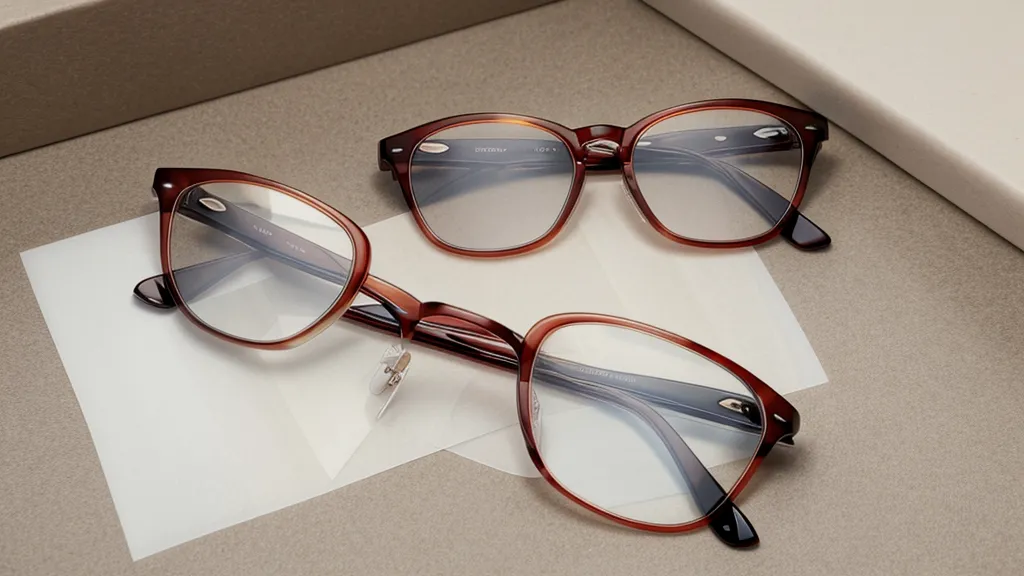
ContactsDirect stays my default for dailies because of that checkout behavior, but it isn't the only shop in rotation. EyeBuyDirect is where I go for backup frames, and the one order worth mentioning is the pair where the listed 18-millimeter bridge actually matched what showed up, no pinching at the nose after a full day of wearing them. That's rarer than it should be, and it's the whole reason that shop stays on the backup list instead of getting dropped after one bad fit. A 1.67 high-index lens is also a completely different cost conversation from the dailies that touch my eyes every morning, which is the math laid out in Why I Switched to Online Shops for 1.67 High Index Lenses.
PerfectLens handles subscription pausing well, letting you skip a shipment without losing a discount tier, and their price-match policy is legitimate if you're willing to send in a receipt. What it doesn't do is pull an insurance benefit at checkout the same way, so you're back to the pay-first script for that one piece even though the pause feature itself works fine. If a shop can't match the toric parameters on my card, cylinder and axis both, it gets crossed off before the cart is even finished. Lab processing time and actual shipping transit time are also two different numbers that almost never get listed separately, and the gap between them is usually where a backorder quietly hides.
The Fine Print Worth Checking Before You Reorder
Strip away the comparison and the actual rule is simple: check whether the insurance benefit applies before you pay, not after, and treat everything else as a bonus on top. A free trial pair before committing to a six-month supply matters too, the same way a full manuscript edit doesn't get signed off without a sample chapter first. Shops that make you prove your own prescription is valid through a phone call or a document upload are usually solving their own workflow problem, not yours.
If the insurance question above sounds familiar, the fix usually isn't a better spreadsheet habit, it's a different checkout. I keep going back to ContactsDirect for exactly that reason, and if your own vision plan has been sitting unused because filing a claim felt like too much friction, checking whether your next shop applies the benefit automatically before checkout is the one thing worth doing differently.