Standing in a dimly lit hotel bathroom during a long weekend in San Francisco early last November, I realized I hadn't packed a contact lens case. For a myope with a -5.00 sphere prescription, this used to be the start of a minor logistics crisis involving late-night drugstore runs for saline. But the panic didn't set in because I had finally committed to my travel dailies—I simply peeled off the day's lenses, tossed them in the bin, and knew a fresh pair was waiting in my toiletry kit.
Before we get into the receipts, a quick note: some of the optical shops and vision platforms linked here send me a commission if you make a purchase. I earn a commission at no extra cost to you, but my spreadsheet doesn't care about payouts. Every shop mentioned here, from my ContactsDirect backup orders to my frame experiments, has been vetted against my own order history for shipping speed and accuracy. If they miss the mark on a PD or a coating, it goes in the record regardless of the link.
The Desk-Side Staple: Why Monthlies Win for Screen Work
As a freelance copyeditor in Sacramento, my life is essentially a series of eight-hour shifts staring at 12-point serif fonts. When you spend that much time looking at a monitor, a poorly fitted or aging lens feels like a missing serial comma—the reader (or in this case, my brain) doesn't always know exactly what is wrong, but the page feels off. My trusty monthly lenses are the workhorses of this environment. They are sturdy, reliable, and follow a strict 30-day replacement cycle that I track with the same intensity I use for tax quarterlies.
At home, I have the infrastructure to support monthlies. I have a clean bathroom, a dedicated spot for my solution, and the patience to scrub them every night. For the heavy lifting of screen work, I find the material of a monthly lens handles the dry air of my home office better than a thin daily. However, even the best system has its failures. I remember a mid-February deadline crunch where I attempted to stretch a monthly lens to five weeks. By Tuesday evening of that final week, my left eye was a gritty, red mess that no amount of rewetting drops could fix. It was a stark reminder that the FDA-cleared schedule isn't a suggestion; it's a hard limit for a reason.
When I'm not in contacts, I'm wearing prescription frames with 1.67 high-index lenses. I started buying these online after a local chain quoted me nearly five hundred dollars for basic Essilor glass; I eventually found the same specs for around one-thirty. If you're looking to balance your lens budget, Finding the Best Lens Material for High Myopia at Online Shops is a good place to start comparing those refractive index costs.
The Travel Friction and the Dailies Pivot
The friction of traveling with monthlies used to be my biggest headache. Packing bulky solution bottles and worrying about a torn lens leaving me legally blind in a strange city was exhausting. Late last July, I made the switch to a hybrid system. I now keep a stash of daily disposables specifically for trips. There is something uniquely satisfying about the sensory experience of a fresh daily lens hitting my eye in a dry airplane cabin while descending over the coast—it’s a crisp, cool sensation that a month-old lens simply can't replicate.
I managed this transition by using ContactsDirect, which allowed me to apply my insurance benefits instantly at checkout without a tedious document upload. This gave me a six-month supply of dailies that I treat as my 'away' kit. It fits perfectly into my tracking spreadsheet: one column for the monthly batch, one for the travel dailies. If you're curious about how to manage your own RX for faster turnarounds, you might want to see How an Online Vision Test for Contacts Works for Fast Renewals.
The Wilderness Exception: A Different Kind of Waste
While I'm a proponent of dailies for hotel stays and city breaks, I've found that the standard advice often fails when it comes to wilderness backpacking. Most guides suggest dailies to avoid cleaning lenses in the woods. However, for a high-myope, the non-biodegradable waste of thirty blister packs and foil lids is a significant pack-out burden. Conversely, monthlies are a nightmare in the backcountry because of the lack of sterile sanitation. If you can't wash your hands with hot water and soap, you shouldn't be sticking your finger in your eye to remove a lens you plan to wear again tomorrow.
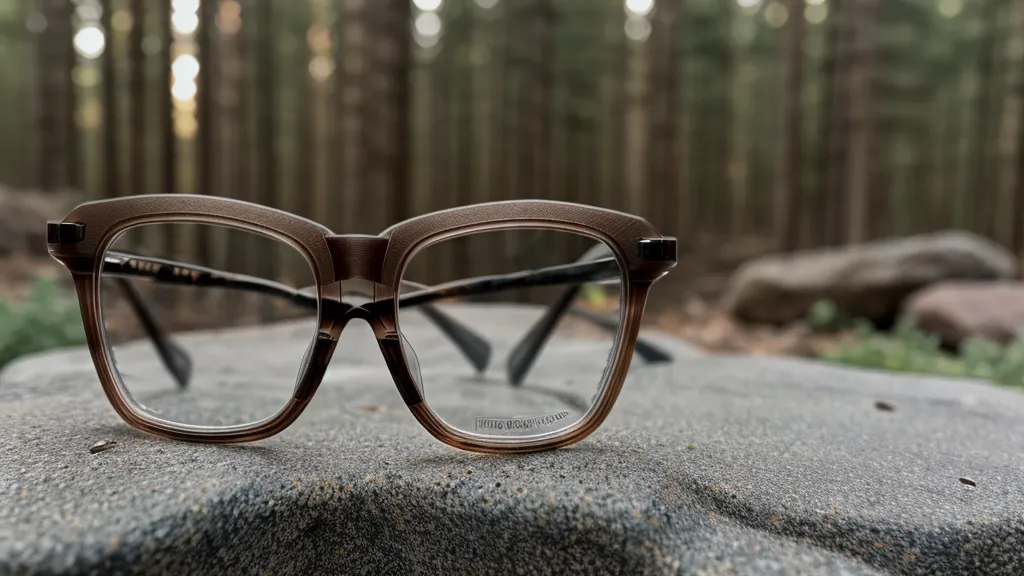
My compromise is a pair of rugged, low-cost frames from EyeBuyDirect that I wear exclusively for trekking. They are cheap enough that I don't weep if they get scratched by a branch, but the optics are sharp enough that I'm not stumbling over roots. For those of us with a -5.00 prescription, having a specific tool for a specific environment is the ultimate 'receipt-checked' hack. It’s about minimizing risk and maximizing clarity, whether that's in a Sacramento home office or a trail in the Sierras.
If your eyes tend to get dry during these transitions, I've had some luck with the lid wipes from CorneaCare, especially after a dusty day outdoors. They help clear out the grit before I even think about touching my contacts. You can check out more options in my breakdown of What are the Best Eye Drops for Contact Lens Wearers with Dry Eyes?.
The Meticulous Record-Keeper's Conclusion
Looking at my running record of sixty-plus optical orders, I realized recently that I feel more pride in my organization than in my actual vision. My -5.00 sphere hasn't changed much in years, but the way I source my lenses has evolved from overpaying at the mall to a highly optimized, dual-system approach. Using monthlies for the daily grind and dailies for the occasional escape keeps my per-day cost low while ensuring I'm never stuck in a San Francisco hotel room with a missing lens case and no plan.
If you're ready to stop overpaying for your supply, I've found that ContactsDirect is the most efficient way to use your vision benefits without the usual retail markup. It’s worth checking your current prescription against their stock, especially if you have a touch of astigmatism that requires a specific base curve like an 8.6mm.