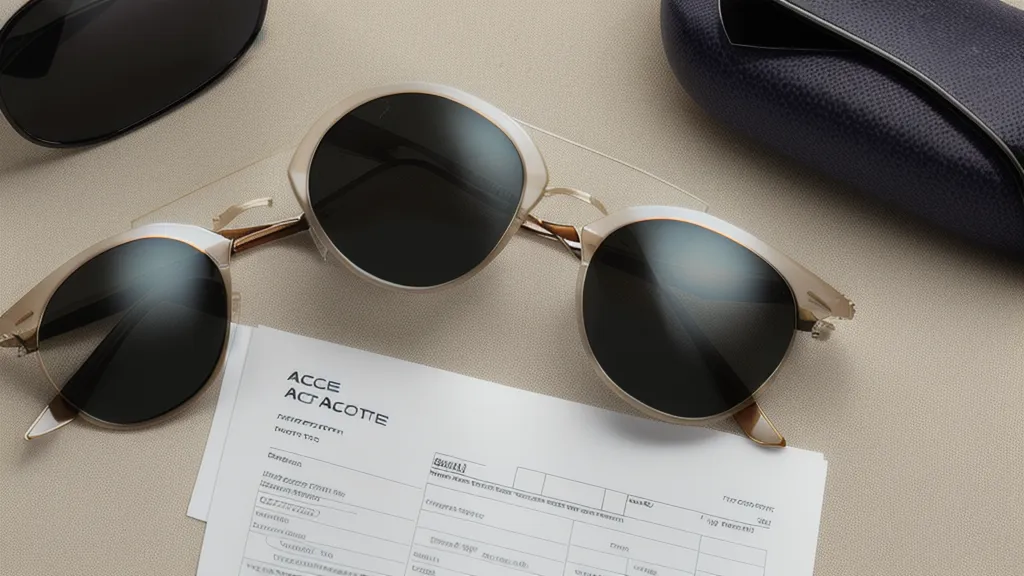
Calipers pressed flat against the bridge of a frame still faintly smelling of the shipping box, and the number held steady: eighteen millimeters, exactly what the EyeBuyDirect listing had promised months earlier. That kind of precision convinced me, longer than I'd like to admit, that a matching spec number settles the fit question for any prescription sunglasses, plain or wrapped. It doesn't. Once a frame is built for outdoor sports — real sports eyewear, not a curvier fashion frame — and bent around an eight-base curve to fit a high-myopia prescription like mine, a correct bridge measurement stops being the whole story, and the pair of prescription sunglasses I eventually ordered from Sunglass Hut is what finally made that obvious.
Quick housekeeping before the receipts: some of the shops named in this corner of online optical shopping pay me a commission if you click through and buy, on top of nothing extra you'd pay yourself. That arrangement doesn't touch what goes in the log — a frame with a warped axis or a coating that lifts like old paint gets written up exactly the same whether or not the link earns anything.
The Assumption: If the Numbers Match, the Fit Is Settled
Most buying guides for sports eyewear treat a prescription order like a lookup problem: enter your sphere, cylinder, axis, and PD, pick a frame, done. That works fine for a flat lens sitting in a flat frame. It stops working once the frame itself curves, because a base curve of 8 — the wrap you actually want for wind and peripheral light on a bike or a trail — tilts the lens away from a straight line to your eye. High-index material, the kind almost anyone above roughly a -4 ends up shopping for, makes that tilt worse. Unless a lab compensates the prescription for it digitally, the edges of your vision blur in a way no spec sheet warns you about.
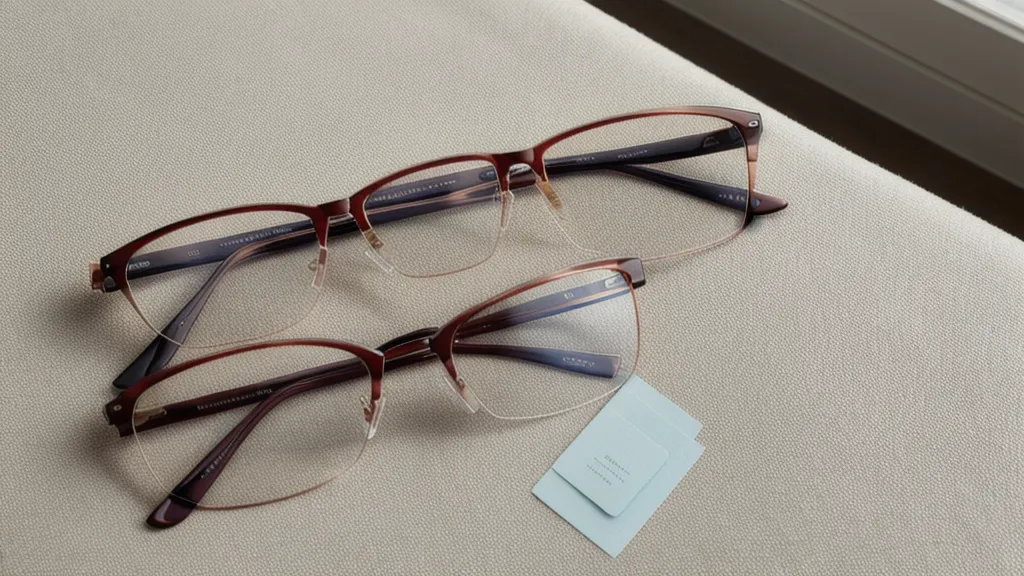
Comparing notes against a running order record — dozens of entries by now — is how I ended up looking at EyeBuyDirect and Yesglasses as the baseline before I ever priced out Sunglass Hut. Both handle a standard prescription well, and neither pretends otherwise; high-wrap sport frames simply aren't their focus, and to their credit their listings say so instead of overselling a curve they can't glaze correctly.
Daisuke Mori, who edits alongside me in the same freelance collective, texted last month asking which shops actually stock a high enough index for his -6.25 — he's pickier about that number than almost anyone else I know. My answer is always the same: check the base-curve compensation before the price, and if a shop can't explain in plain language how it handles wrap distortion on a cylinder-and-axis prescription, assume it can't. Pupillary distance is a separate number entirely, and just as easy to get right on paper while the lens still doesn't sit correctly once the frame curves.
I've written before about choosing eyeglass frames for high myopia to hide thick lens edges, and none of that logic changes here. If anything, a wrap frame exposes the lens edge more than a standard frame does, so the frame choice and the base-curve compensation have to be solved together, not separately.
Where the Theory Got Tested: an Oakley Order From Sunglass Hut
Logging the order afterward mattered almost as much as placing it — at the desk in the window alcove, task lamp on and the overhead fixture off, the pen dragging a little across the first blank page of this year's log, ink catching on paper still stiff from the binding. The wrap frame that put the theory to the test was an Oakley Flak 2.0 XL, prescription-glazed through Sunglass Hut with Prizm Field lenses for the extra contrast outdoors. The total landed well past what a chain optical counter once quoted me — close to five hundred dollars for basic Essilor 1.67 lenses I later found direct for around one-thirty — because sport-specific glazing isn't priced anywhere near a walk-in exam. It also wasn't fast. The order sat on a frame backorder for more than six weeks, long enough that I filled the gap wearing dailies from PerfectLens rather than going without a wrap option altogether. My notes on what I noticed about fast shipping when ordering contacts online cover that stretch in more detail, for anyone else waiting out a backorder.
Why Does a Correctly Compensated Wrap Still Feel Off at First?
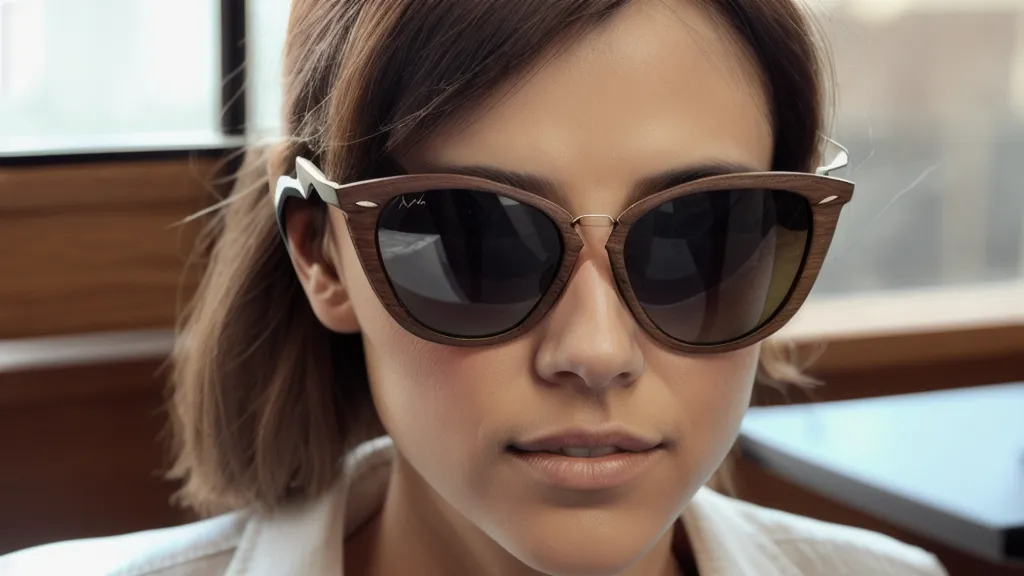
Because the optics are still working harder than a flat lens, even once the compensation is done correctly. Light doesn't pass through the exact center of a lens tilted eight degrees off vertical the way it does through a flat one; a lab can correct the prescription for that tilt, not erase the physics behind it. The first stretch of wearing the Oakleys felt faintly fish-eyed at the far edges, the sensation of a sentence that reads almost right until you notice the wrong word buried in it. That feeling faded as my eyes adjusted, not because the lenses changed, and listing pages rarely bother separating those two things. UV protection was full-spectrum and unremarkable, which is exactly what you want, and the polarized filter cut glare hard enough that I noticed it on the very first ride to the Sacramento Natural Foods Co-op on R Street, panniers rattling over the curb cuts, sunglasses staying put the whole way there.
Sunglass Hut, EyeBuyDirect, and Yesglasses: Sports Eyewear for a High-Myopia Prescription, Compared
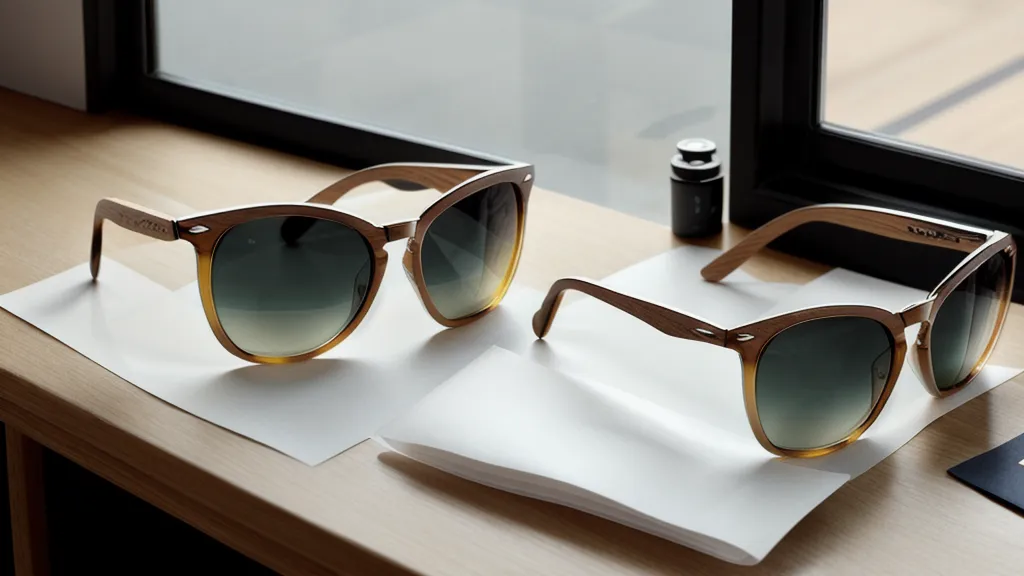
Sunglass Hut's edge is access to labs that know how to glaze Oakley and Ray-Ban wraps without guessing at the compensation, and that access is worth the premium and the wait if a high base curve is genuinely part of your sport. It is not where I'd send someone shopping for a standard walking-around pair. EyeBuyDirect still wins that fight, and for a fraction of the price, though their own high-wrap selection stays thin once a prescription runs anywhere near mine. Yesglasses earns its keep on fit rather than optics; their narrow and Asian-fit options solve a slipping-frame problem that no amount of correct base-curve math will fix if the frame sits wrong on your face to start with. None of that touches contacts, which is where plenty of readers land anyway once they do the math on frame prices. ContactsDirect applies insurance benefits at checkout without the document upload that most out-of-network reimbursement claims demand elsewhere, which matters if your plan doesn't consider a sport wrap frame reimbursable in the first place.
Contacts sidestep the wrap problem entirely, since a soft lens sits directly on the eye and doesn't care what curve the sunglasses in front of it happen to have. The real question becomes whether your contact lens prescription parameters are current enough to clear verification without a phone call, since that number set is separate from anything on a frame's spec sheet. I keep mine on a monthly-versus-daily replacement schedule depending on the season, and swapping a wrap-frame sports day for a contacts-and-regular-sunglasses day is the easiest workaround I've found for the whole base-curve argument.
That system isn't flawless either. Pausing a ContactsDirect subscription through their app took two separate calls to customer service the last time I needed it, since the in-app pause button didn't hold the way a subscription auto-pause feature is supposed to work on paper. It got sorted. Not on the first attempt, and not without picking up the phone, which is the same lesson as the base curve: what a listing page promises and what a lab or a subscription system actually delivers are two different questions, and only one of them gets answered before checkout.
A Coating Either Holds Up or It Doesn't
Coatings are the other place a spec sheet oversells. I treat a lens coating like a detergent claim on a laundry label: it either survives repeated real use or the marketing copy was doing the heavy lifting, not the chemistry. The Prizm coating on the Oakleys has held up against enough microfiber wipes and Sacramento dry-season dust that I'd call it integrated rather than dipped, which lines up with what I wrote in my breakdown of best lens coatings for prescription glasses after months of use. Dry heat and pollen do more damage to the eyes behind the lenses than to the lenses themselves, which is why a small kit of CorneaCare lid wipes lives in the same pack as the sunglasses now.
Deciding Between the Wrap and the Wait
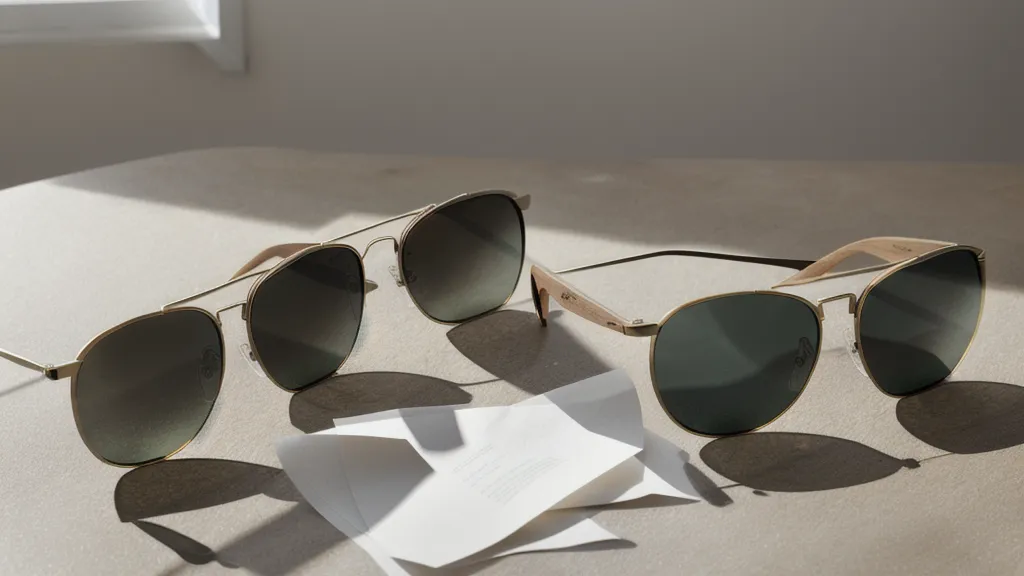
So does the six-week wait and the premium price buy you something a budget shop can't? For a casual walk or an errand run, no; my EyeBuyDirect pair covers that at a fraction of the cost, and I reach for it more often than the Oakleys. For genuine outdoor sports at a high base curve behind a high-myopia prescription, yes, because the compensation math only gets done right by labs built for it, and Sunglass Hut currently has the clearest path to those labs for Oakley and Ray-Ban wraps. Here's the rule I'd actually hand a reader: before checkout on any wrap-style prescription sunglasses, ask the shop directly, in writing, whether they compensate the prescription for the frame's base curve, not just whether they can fit your Rx into the frame at all. If support can't answer that in specific, technical terms, assume the answer is no, and either budget for the fish-eyed adjustment period or skip the wrap and stick with contacts under a flat pair instead. Anyone leaning toward contacts as the simpler fix for sports should check what ContactsDirect actually covers under insurance before committing to a wrap frame; it takes about ten minutes and beats guessing at checkout.