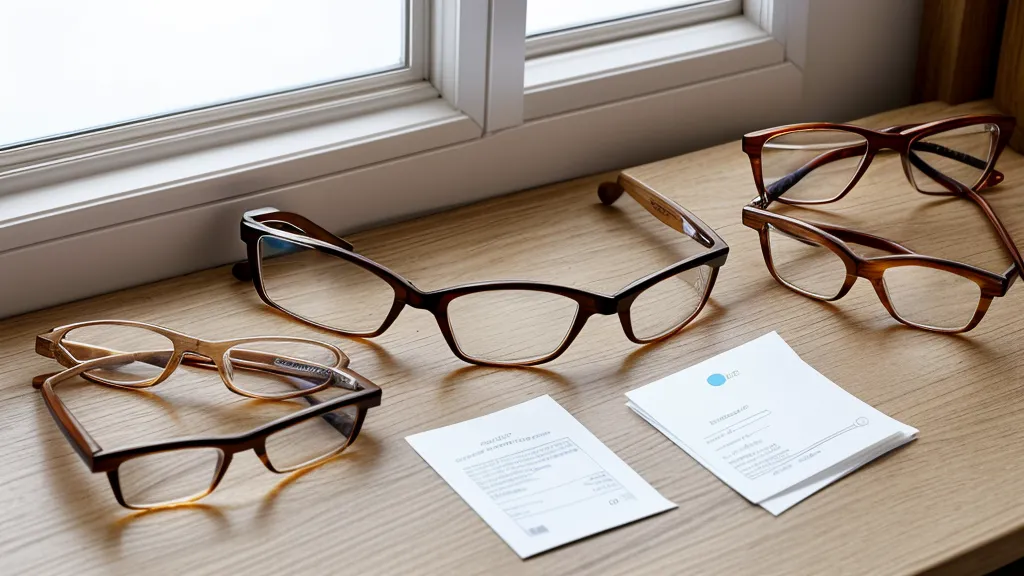
My EyeBuyDirect receipt shows two frames billed at the same promotional rate, but only one pair came back with the 1.67 lens upgrade I had actually paid for. The other arrived as plain single-vision plastic. The buy-one-get-one code, it turns out, only covers the upgraded lens once per order, not once per pair, and nothing on the checkout screen flags that for a prescription anywhere near high-myopia range. Catching a detail like that is basically copyediting: nobody reads the promo terms until the wrong version has already shipped. It is exactly why I keep a running spreadsheet of every online glasses order instead of trusting memory, and why "cheapest" rarely means what the homepage banner implies.
A quick disclosure before the breakdown: several of the shops named below pay me a small commission if you order through my links, at no extra cost to you. That arrangement has never changed what goes in the spreadsheet — a coating that peels or a bridge that pinches gets written down the same way whether a shop sponsors anything or not. Years of entries trace back to a mall optical chain, LensCrafters, that quoted me close to five hundred dollars for basic 1.67 single-vision lenses with their standard anti-reflective coating; the shops below routinely land under half that for the same prescription, which is the whole reason this tracking habit started.
The Gap Between Listed and Checkout Price
Listed frame prices are written for a flat prescription, not a -5.00 sphere with a touch of astigmatism. The number on the landing page is the price for someone who barely needs correction; the moment you enter a real high-myopia prescription, a "required upgrade" line appears, and that is where the checkout total actually gets decided. Crossing the high-myopia threshold means standard plastic lenses get too thick and heavy to wear comfortably, so a high-index lens stops being optional, and whatever shop is selling the frame knows exactly where you are in that funnel.
That gap between the listed price and the checkout price is the single most useful number to track, more useful than the sticker price itself. EyeBuyDirect usually wins on the base math — their starting frame prices are low — but the final number after the lens upgrade is what belongs in the spreadsheet, not the banner price. Returns there are also capped at one pair per order rather than per item, worth knowing if you are stacking a promo code across two pairs the way my buy-one-get-one order did. The 1.67 material itself is its own rabbit hole I will not re-walk here; what matters on this page is only what it adds to the receipt once a prescription triggers the surcharge.
Comparing 1.67 Index Pricing, Shop by Shop
Thickness is not the only variable worth tracking; coating durability matters just as much once the lenses leave the shop. Refractive index upgrades from different labs hold up differently, the same way two bottles of laundry detergent promise identical results but wash out at different rates after a few dozen cycles. A narrower-bridge order from Yesglasses let me try four frames at home before committing to one, useful when you cannot exactly pop into a mall store between editing jobs; the lenses that came back felt denser than a different shop's pair from the same prescription, and the coating has held up noticeably better against everyday dust.
Production speed is the tradeoff: Yesglasses runs closer to two weeks from order to doorstep, slower than the others on this list, and that is the price of a narrower fit and a live optician check on the prescription before it ships. Index numbers above 1.67 exist and shave off a bit more edge thickness, but I have not found the extra cost worth it for my particular correction — that comparison belongs on a different page, not this one.
Does the Insurance Checkout Actually Save Time?
Checkout speed depends on whether a shop already knows your insurance benefit before you start picking frames out. Shops like ContactsDirect build that lookup into checkout itself, instead of asking for a scanned card and a wait for approval. I have found ContactsDirect particularly useful for exactly that reason, and if you want the full mechanics, I covered them separately in Why I Buy My Daily Contacts From ContactsDirect Every Year. For a glasses order the same logic holds: no faxed form, no surprise phone call, just a total that matches what the insurance portal already promised.
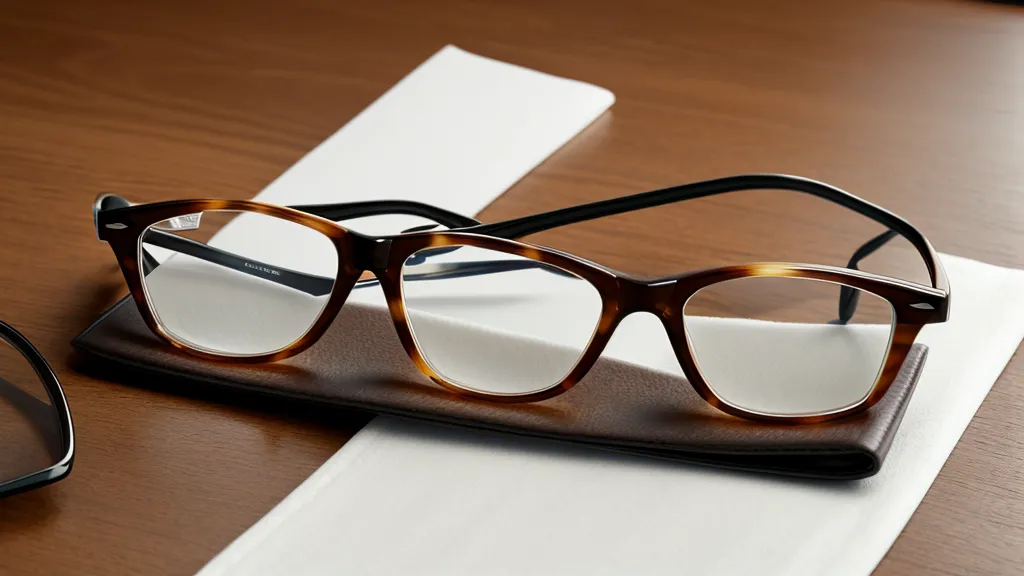
I still check the PD number and the lens material listed at checkout against my original RX card every time, no matter how many orders are already logged, because that is the one field a shop can quietly substitute without anyone flagging it until the glasses actually arrive.
Astigmatism complicates that lookup more than a plain sphere correction does, since cylinder and axis numbers narrow which labs will even quote a price upfront instead of routing the order to a manual review queue. That is worth checking before you commit a frame to a cart, not after. I also keep PerfectLens on the list for its price-match policy, and its subscription controls — pause a shipment, skip a month — work the way the button on the page claims they will, which is rarer than it should be among contact lens subscriptions.
I Wore the Cheaper Pair for Eight Weeks Before Trusting It
Eight weeks into wearing my most recent pair from ContactsDirect, the tracking entry for that week notes something small: a forty-page manuscript edit that ran past midnight without once stopping to rub my eyes between pages. That sounds unremarkable until you have tracked enough orders to know how often a "budget" high-index lens starts producing eye strain by the second month, usually right around when a cheaper coating starts showing its first haze. Fernanda, my neighbor two houses down, keeps every receipt from her alterations shop filed in a three-ring binder sorted by year; my version of that habit is a spreadsheet, but the instinct to document every purchase instead of trusting a vague impression is the same one. I tested this pair on a walk through the rose garden at McKinley Park, where the glare off the gravel paths usually has me squinting by the second loop, and this time it did not. That tracking habit is exactly what pushed me away from mall stores in the first place, which I get into at length in Why I Switched to Online Shops for 1.67 High Index Lenses.
What Changes on My Next Order
One lesson carries forward to every order after this one: track the checkout total, not the banner price, since that is the only number that actually predicts what a high-myopia prescription will cost at any shop. A low starting price with a mandatory high-index surcharge can land higher than a shop that just prices the upgrade honestly from the start. Dry, screen-tired eyes are a separate line item I budget for too — a quarterly kit from CorneaCare covers the lid wipes and warm compresses I go through fastest during long editing stretches, and its pause control works the same way PerfectLens's does. If you are pricing a high-index order anywhere near a -4.00 or steeper prescription, pull up the checkout total before you compare a single banner price — that is the number worth bookmarking, and the shops above are where mine currently land.
| Product | Rating | |
|---|---|---|
| ContactsDirect Editor's Pick | 9.4 | Read More → |
| EyeBuyDirect | 8.9 | Read More → |
| Yesglasses | 8.7 | Read More → |
| PerfectLens | 8.3 | Read More → |
| CorneaCare | 7.8 | Read More → |
ContactsDirect
Pros
- ● Instant insurance benefit application at checkout
- ● No manual document upload needed for most plans
- ● Transparent pricing for high-index upgrades
- ● Free trial pair shipped for contact lens orders
Cons
- − Specialty lenses like scleral designs not stocked
- − Occasional backorder delays on toric prescriptions